
3D Printing in Healthcare: Transforming Surgery, Implants, and the Future of Medicine
Introduction
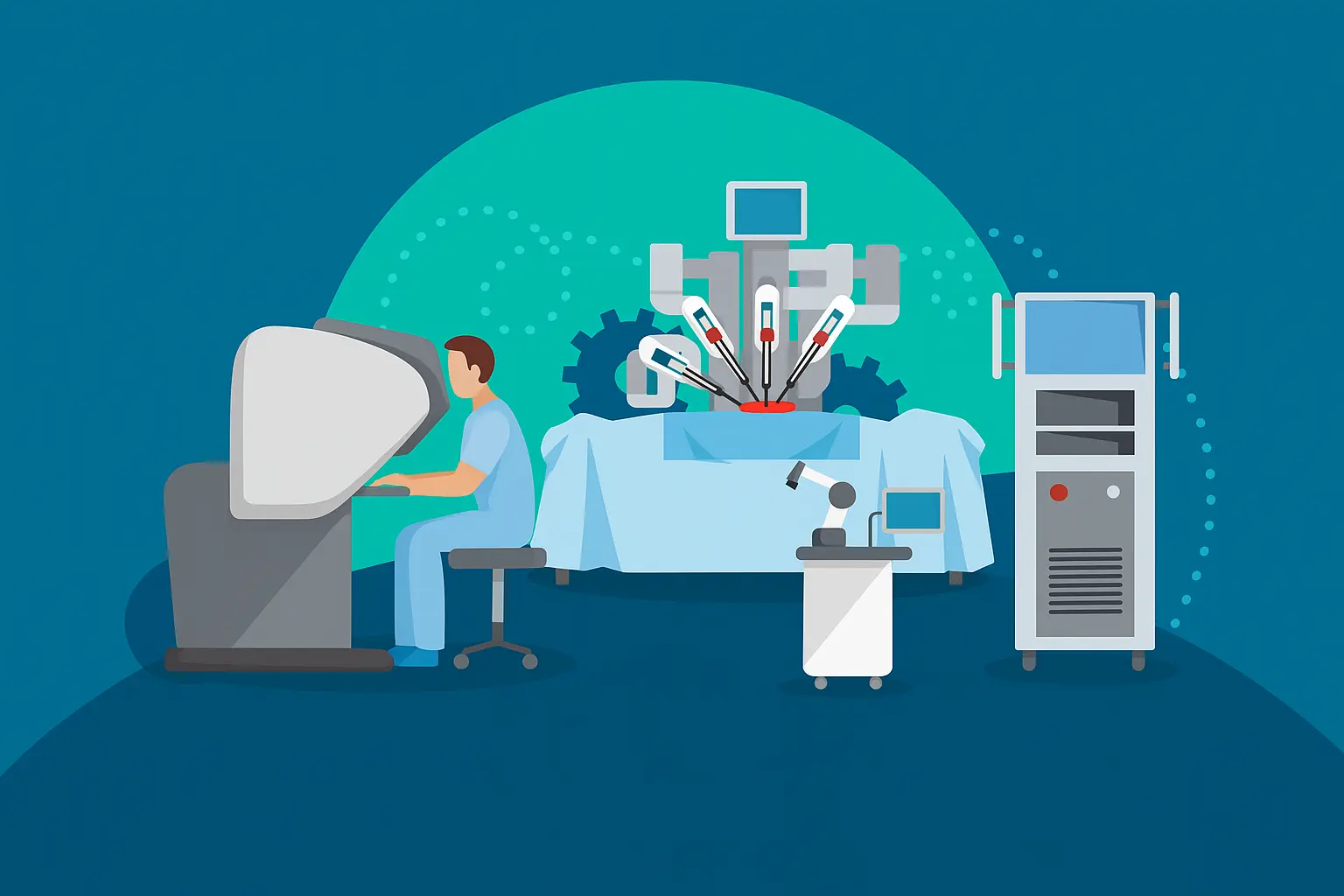
What if life-saving implants were custom-made for your body, surgeries were rehearsed in advance, and organ shortages became history? This isn’t science fiction anymore—3D printing in healthcare is making it possible today. From personalized prosthetics to bioprinted tissues, this technology is revolutionizing the way we approach medicine and surgery.
Personalized Implants: The Perfect Fit
Traditional implants often require adjustments during surgery, but with 3D printing, implants are designed to match each patient’s unique anatomy. This reduces surgical risks, shortens recovery times, and improves long-term outcomes. Custom cranial plates, joint replacements, and dental implants are already proving how effective this innovation can be.
Surgical Planning with 3D Models
Surgeons no longer need to rely solely on 2D scans. With MRI or CT scans converted into 3D models, doctors can practice complex surgeries before entering the operating room. These lifelike replicas help reduce errors, improve precision, and boost patient confidence.
🛒 Recommended Read
Want to understand how technology is transforming medicine? This book on medical innovation explains the science behind emerging healthcare technologies in accessible language — perfect for patients and professionals alike.
View on Amazon →Prosthetics That Feel Natural
For millions worldwide, prosthetics are more than devices—they’re lifelines. 3D printing makes prosthetics affordable, customizable, and accessible, especially for children who quickly outgrow traditional ones. Patients can now receive lightweight, comfortable, and personalized prosthetic limbs in record time.
Accuracy That Saves Lives
Accuracy is critical in medicine. With tools like photogrammetry, optical scanning, and precise data mapping, 3D-printed anatomical models are validated against real patient data. This ensures that every model and implant is reliable and trustworthy.
Bioprinting: The Future of Medicine
Perhaps the most exciting frontier is bioprinting with living cells. Researchers are already experimenting with printing tissues, blood vessels, and even organ prototypes. Though still in development, this could one day solve the global organ shortage crisis and redefine regenerative medicine.
Ethical & Regulatory Challenges
With innovation comes responsibility. Questions around safety, biocompatibility, standardization, and equity of access must be addressed as 3D printing becomes mainstream in healthcare. Regulatory bodies are working to set global standards to ensure this technology benefits everyone.
Bridging Global Healthcare Gaps
One of the greatest promises of 3D printing is its accessibility in underserved areas. Rural hospitals and low-resource regions could soon print surgical tools, implants, or prosthetics on demand—bridging gaps in global healthcare delivery.
Final Thoughts
3D printing is more than a technological upgrade—it’s a healthcare revolution. From the operating room to the prosthetic workshop, its impact is already being felt. And with bioprinting on the horizon, the future of medicine is being shaped—layer by layer.
References
- Ventola CL. Medical applications for 3D printing. P T. 2014;39(10):704-711.
- Javaid M, Haleem A. Additive manufacturing applications in medical cases. Alexandria Journal of Medicine. 2018;54(4):411-422.
- Tack P, et al. 3D-printing techniques in a medical setting: a systematic literature review. Biomed Eng Online. 2016;15(1):115.
Written by — Dharmil Pandya
Medical Writer | Founder, Healthier Tomorrow
#3DPrinting #HealthcareInnovation #MedicalTechnology #FutureOfMedicine #SurgicalPlanning #Bioprinting #Prosthetics #HealthTech #PatientCare #MedicalInnovation