
How AI Is Transforming Disease Diagnosis in Modern Healthcare
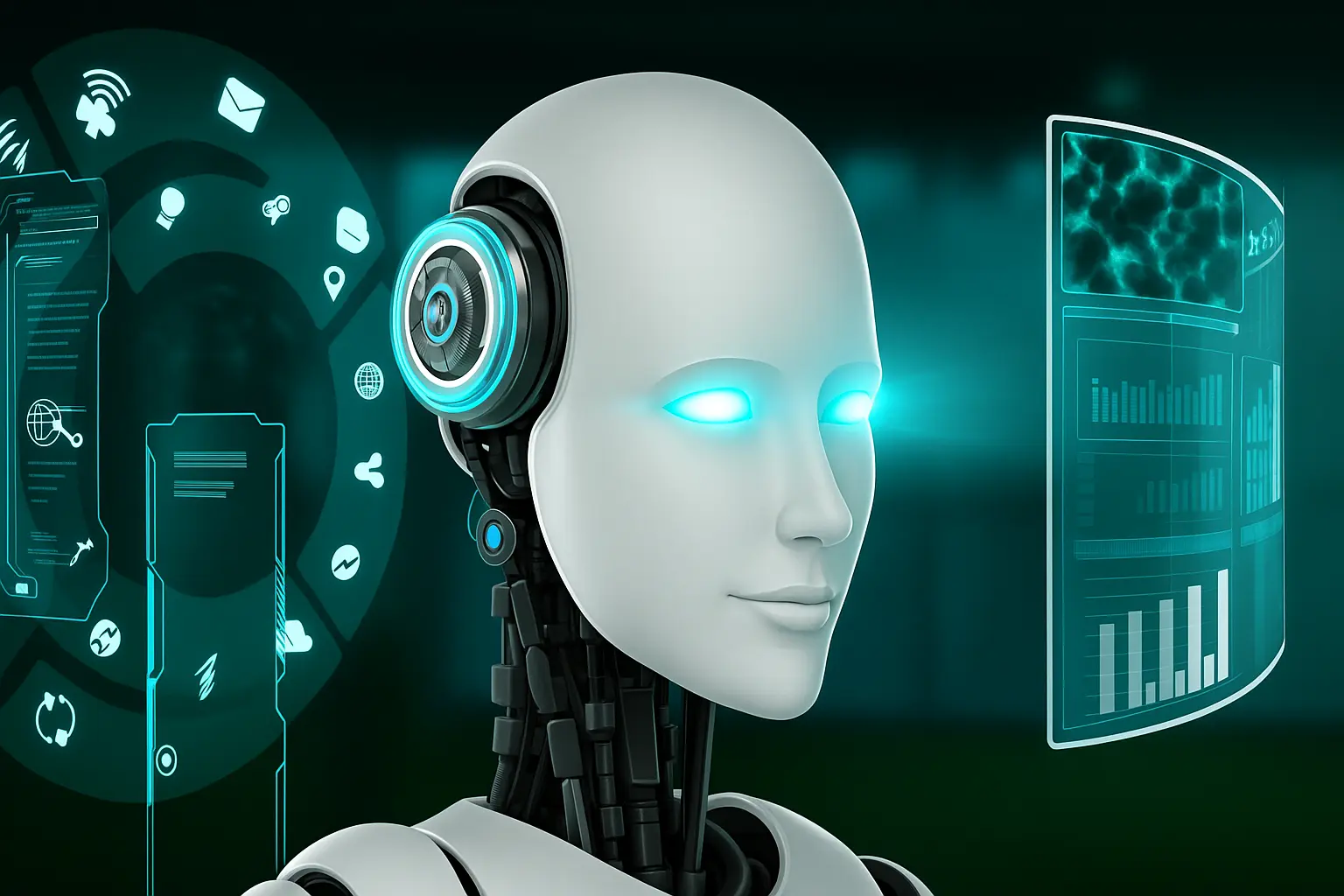
In today’s fast-evolving medical landscape, Artificial Intelligence (AI) is emerging as a game-changer, particularly in the field of disease diagnosis. From improving accuracy to reducing diagnosis time, AI is reshaping how doctors detect, treat, and manage illnesses. With its ability to analyze massive amounts of health data rapidly and accurately, AI is making healthcare smarter, faster, and more personalized.
What Is AI in Medical Diagnosis?
AI in healthcare refers to the use of intelligent algorithms and machine learning models to mimic human cognitive functions. These systems are now capable of interpreting medical data such as images, lab results, and patient histories — tasks that were traditionally performed manually by healthcare professionals.
How AI is Revolutionizing Medical Diagnostics
The role of AI in healthcare has expanded far beyond administrative tasks. Today, it plays a central role in clinical diagnostics by:
- Analyzing medical images such as X-rays, CT scans, and MRIs
- Detecting early signs of diseases like cancer, diabetes, and heart conditions
- Predicting disease outcomes using real-time data from electronic health records (EHRs)
- Recommending treatment options tailored to the individual
This shift is not only saving time but also enhancing diagnostic precision, leading to better patient outcomes.
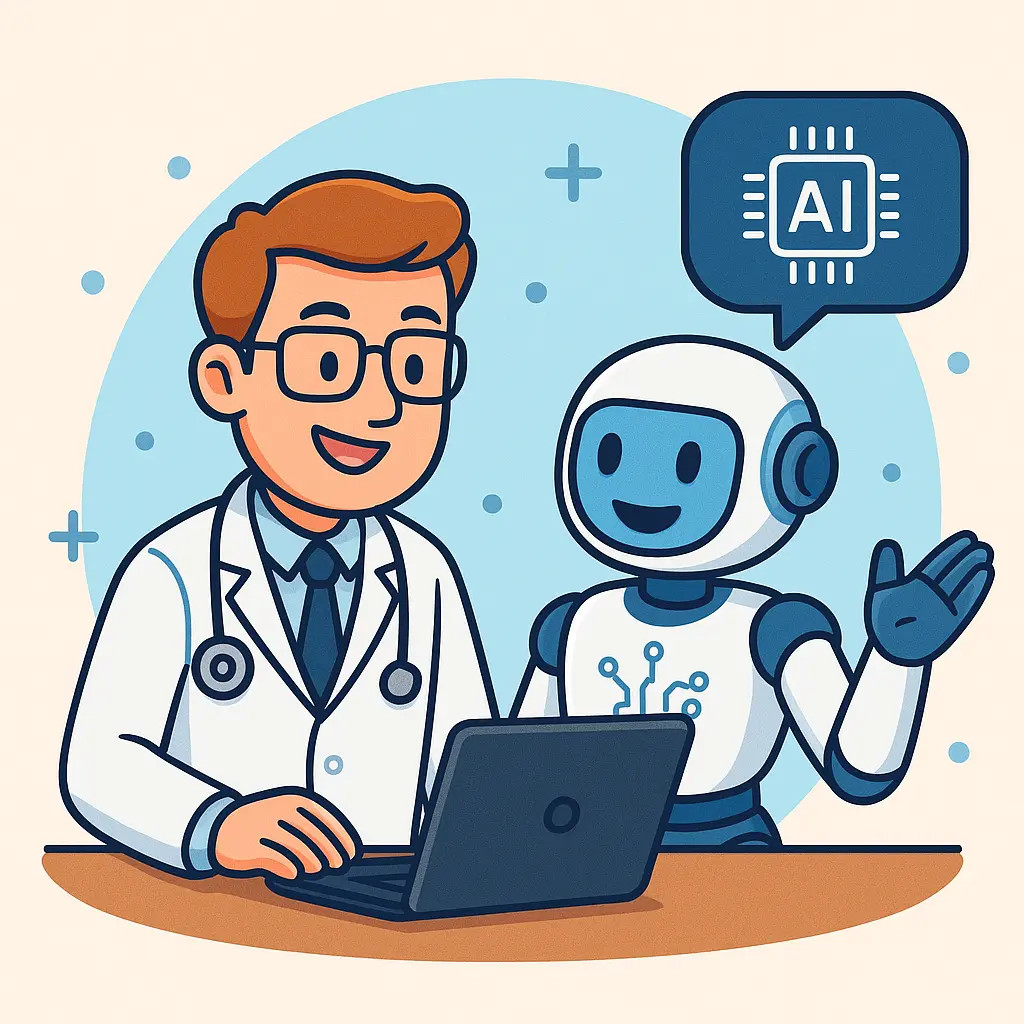
Key Advantages of AI in Medical Diagnosis
1. Enhanced Diagnostic Accuracy
AI systems can process complex data patterns more consistently than the human brain, significantly reducing diagnostic errors.
2. Early Detection of Diseases
Machine learning models identify early-stage symptoms of chronic illnesses, enabling timely medical intervention and better prognosis.
3. Personalized Treatment Plans
AI helps design customized care plans by analyzing a patient’s medical history, lifestyle, and genetic factors.
4. Improved Efficiency
Automating repetitive tasks like data entry and image analysis allows healthcare professionals to focus more on patient care.
🛒 Recommended Product
AI-powered health monitoring starts at home. A smartwatch with ECG, SpO2 and heart rate monitoring puts real diagnostic data on your wrist — the same data AI diagnostic tools are trained on. Track your health proactively before problems develop.
View Noise ColorFit Pro Smartwatch on Amazon →Real-World Applications of AI in Healthcare
- Data Analysis: AI algorithms scan through vast EHRs to uncover insights that can guide clinical decisions.
- Medical Imaging: AI-powered tools assist radiologists by highlighting anomalies that may be missed during manual reviews.
- Predictive Analytics: AI predicts how diseases might progress, helping in proactive treatment and resource planning.
- Clinical Decision Support: AI offers real-time, evidence-based recommendations to aid doctors in making informed choices.
Challenges in Adopting AI in Healthcare
While the benefits are clear, implementing AI in healthcare is not without hurdles:
- Integration Issues: Merging AI with existing hospital IT systems can be complex and costly.
- Data Privacy Concerns: Safeguarding sensitive patient data is a top priority and must comply with privacy laws.
- Regulatory Compliance: Establishing legal frameworks to govern the ethical use of AI in clinical settings is still ongoing.
The Future of AI in Healthcare
AI is not just a technological tool — it’s a transformative force. As it continues to evolve, AI will increasingly assist in diagnosing, treating, and even preventing diseases. This will contribute to:
- Better health outcomes
- More efficient and sustainable healthcare systems
- Broader access to quality healthcare, especially in underserved areas
Organizations like Omdena are actively pushing this innovation forward, creating inclusive and ethical AI solutions that aim to make a real-world impact, especially in vulnerable communities.
Conclusion
Artificial Intelligence is revolutionizing disease diagnosis by boosting accuracy, enabling earlier detection, and streamlining the entire healthcare process. As more hospitals and clinics adopt AI-powered tools, we move toward a future where healthcare is faster, smarter, and more personalized.
To fully unlock AI's potential, it's vital to address challenges around infrastructure, data security, and regulation — but the promise of a healthier tomorrow makes the journey well worth it.
References
- Topol EJ. High-performance medicine: the convergence of human and artificial intelligence. Nat Med. 2019;25(1):44-56.
- Rajpurkar P, et al. AI in health and medicine. Nat Med. 2022;28(1):31-38.
- Srivastava S, et al. Artificial intelligence in Indian healthcare. J Family Med Prim Care. 2021;10(2):568-574.
Written by — Dharmil Pandya
Medical Writer | Founder, Healthier Tomorrow
#Artificial intelligence in healthcare #AI in medical diagnosis #Early disease detection using AI #AI in medical imaging #AI in clinical decision-making