
🌿 Arjuna (Terminalia arjuna): Ancient Ayurvedic Wisdom Backed by Modern Science
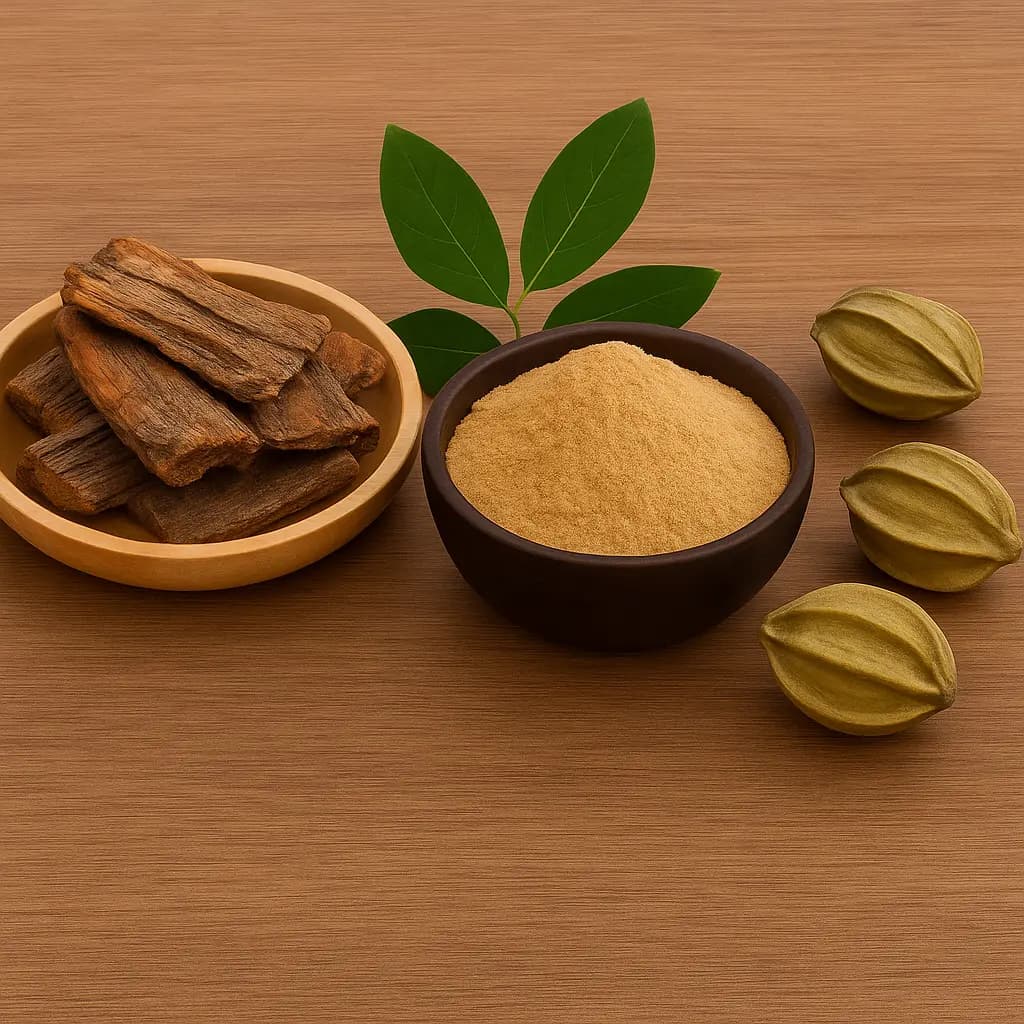
When you think of heart health, modern medicine probably comes to mind first. But did you know that India’s ancient medical system, Ayurveda, has relied on a powerful herb called Arjuna (Terminalia arjuna) for centuries?
Known as a “heart’s best friend,” Arjuna bark (Arjun Chaal) is packed with natural compounds like triterpenoids, flavonoids, tannins, and saponins—all of which are now being recognized by modern science for their cardioprotective, antioxidant, and anti-inflammatory properties.
Let’s explore how this traditional remedy has stood the test of time and why it deserves a place in today’s holistic health discussions.
🌟 Why Arjuna is Famous in Ayurveda
Ayurvedic texts describe Arjuna as a Rasayana (rejuvenator), especially for the cardiovascular system. Traditionally, it was given to people with palpitations, chest pain, and weakness of the heart.
Today, modern studies confirm that Arjuna strengthens the heart, reduces blood pressure, improves cholesterol balance, and protects against oxidative stress.
❤️ Science-Backed Benefits of Arjun Chaal
1. Strengthens Heart Muscles
Arjuna works like a natural cardiotonic—it improves heart muscle strength and pumping efficiency, making it beneficial for heart failure and recovery after cardiac stress.
2. Helps Maintain Healthy Blood Pressure
By relaxing blood vessels, Arjuna lowers resistance against which the heart pumps. This eases cardiac strain and supports healthy, stable blood pressure.
3. Balances Cholesterol & Lipid Profile
Arjuna lowers LDL (bad cholesterol) and triglycerides, while boosting HDL (good cholesterol). This reduces the risk of clogged arteries and atherosclerosis.
4. Provides Antioxidant & Anti-Inflammatory Support
Packed with antioxidants, Arjuna shields the heart from free radical damage and reduces chronic inflammation, which are key drivers of heart disease.
5. Supports Liver Function
Beyond heart health, Arjuna also protects the liver from oxidative stress and improves detoxification, contributing to overall wellness.
🛒 Recommended Product
Himalaya Arjuna is one of the most trusted standardised Arjuna bark extracts available in India — GMP-certified with consistent potency. Clinical trials have used 500mg of standardised extract twice daily; always consult your cardiologist before adding Arjuna if you are on existing cardiac medications.
View Himalaya Arjuna on Amazon →⚠️ Precautions to Keep in Mind
While generally safe, Arjuna should be used carefully:
- Consult your doctor if you’re on heart medication.
- Monitor blood pressure regularly to avoid sudden drops.
- Pregnant & breastfeeding women should only use under medical advice.
- Allergic reactions (rare) can occur; discontinue if symptoms appear.
- Avoid overdosing—stick to recommended amounts to prevent nausea or gastric discomfort.
🍵 How to Use Arjuna
1. Arjuna Decoction (Kadha)
- Boil 1–2 tsp Arjun Chaal powder in milk or water for 10 minutes.
- Strain and drink once or twice daily.
- ✔️ Milk decoction is considered most effective.
2. Capsules or Tablets
Take 500 mg–1 g, once or twice daily with water, or as directed by your physician.
3. Arjuna Tea
Boil 1 tsp Arjuna bark powder in a cup of water. Optional: add milk. Drink once or twice daily.
4. Arjuna Paste (External Use)
Mix bark powder with water, apply on wounds or skin issues, and wash off once dry.
📏 Recommended Dosage
- Churna (Powder): 2–3 g twice daily
- Capsules/Tablets: 500 mg–1 g, once or twice daily
- Decoction (Kadha): 30–50 ml once or twice daily
👉 Always follow professional medical advice for personalized dosage.
😟 Side Effects of Arjuna
Mild and rare, usually due to overdose:
- Nausea
- Gastric discomfort
- Constipation or headache
- Allergic reactions (rare)
🔑 Long-term use (up to 24 months) has been found safe in clinical studies.
✅ Final Takeaway
Arjuna (Terminalia arjuna) is not just an ancient remedy—it’s a modern, science-backed herbal solution for heart and liver health.
Whether you prefer it as a milk decoction, tea, or capsule, regular and mindful use can help strengthen your heart, balance cholesterol, regulate blood pressure, and support overall well-being.
🔎 FAQs
Q1. Can Arjuna replace heart medication?
👉 No, it’s best used as a complementary therapy with medical supervision.
Q2. How long before results are visible?
👉 Most people notice improvements in 6–12 weeks with consistent use.
Q3. Is Arjuna safe for long-term use?
👉 Yes, up to 2 years when taken in the correct dosage.
Q4. Who should avoid Arjuna?
👉 Pregnant women, breastfeeding mothers, and people on multiple heart medications—unless prescribed by a doctor.
References
- Dwivedi S. Terminalia arjuna Wight & Arn. — a useful drug for cardiovascular disorders. J Ethnopharmacol. 2007;114(2):114-129.
- Bharani A, et al. Salutary effect of Terminalia arjuna in patients with severe refractory heart failure. Int J Cardiol. 1995;49(3):191-199.
- Ram A, et al. Hypolipidaemic effect of Terminalia arjuna. J Ethnopharmacol. 1997;55(3):165-169.
Written by — Dharmil Pandya
Medical Writer | Founder, Healthier Tomorrow
#Arjuna #TerminaliaArjuna #HeartHealth #Ayurveda #NaturalRemedies #HerbalMedicine #Cardioprotective #CholesterolControl #BloodPressureSupport #AyurvedicWisdom #HolisticHealth #LiverHealth