
🚑 What To Do If Someone Can’t Breathe: The Life-Saving Power of CPR
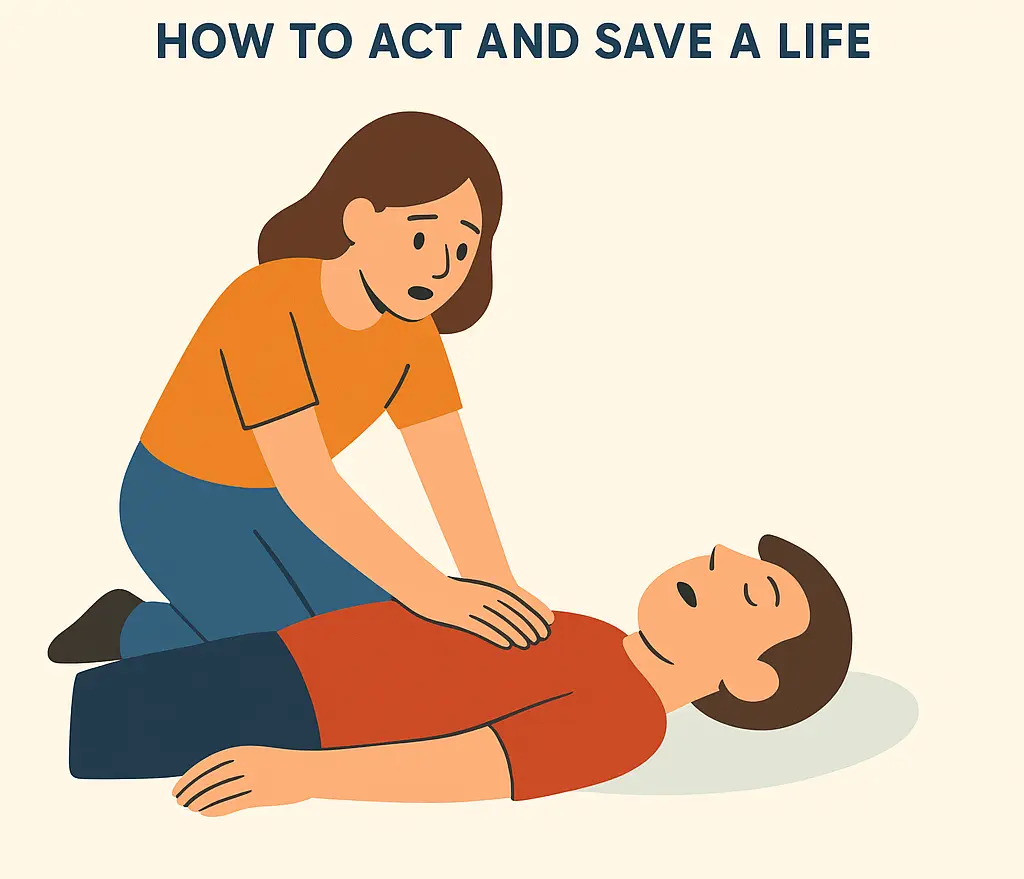
When someone near you suddenly can’t breathe, every second counts. Panic is natural, but knowing what to do in those crucial moments could mean the difference between life and death. One of the most important life-saving techniques everyone should know is CPR (Cardiopulmonary Resuscitation).
You don’t need to be a doctor to save a life—CPR is a skill anyone can learn and perform. Let’s break down what it is, when to use it, and how you can act confidently in an emergency.
🫁 What is CPR?
CPR (Cardiopulmonary Resuscitation) is a first-aid technique that helps keep oxygen and blood circulating when someone’s heart or breathing has stopped.
- CPR involves chest compressions and rescue breaths.
- It keeps the brain and vital organs alive until medical help arrives.
- Staying calm is essential — your actions could save a loved one, a friend, or even a stranger.
👉 Think of CPR as a bridge that keeps the body alive until professional treatment is available.
⏱️ When Should You Start CPR?
Begin CPR immediately if the person is:
- ✔️ Unconscious and not responding
- ✔️ Not breathing at all
- ✔️ Breathing abnormally (e.g., gasping or grunting)
Remember: The sooner CPR starts, the higher the chances of survival.
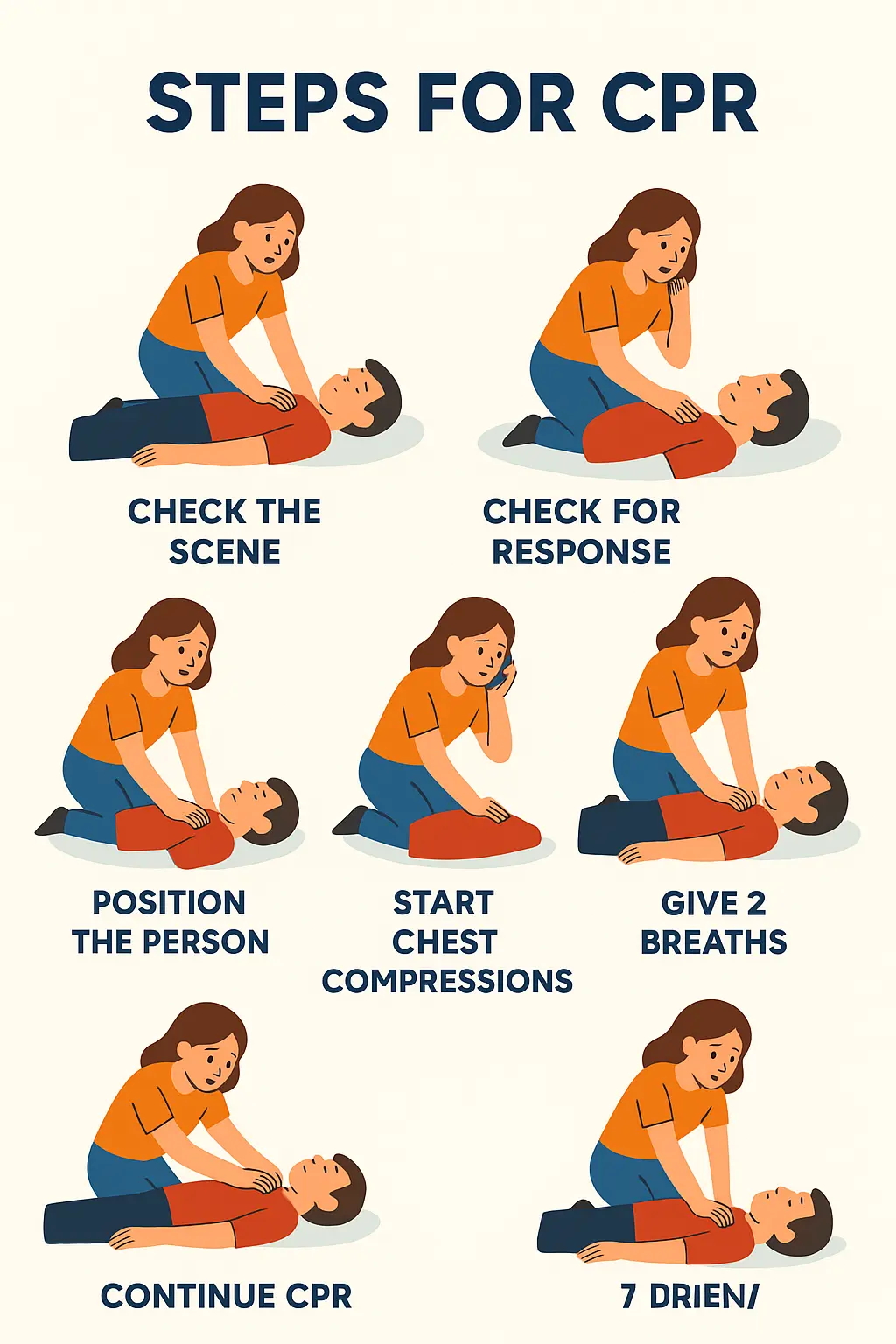
🛠️ Step-by-Step Guide to Giving CPR
Here’s a simple, easy-to-follow guide based on international CPR guidelines:
1️⃣ Check the scene for safety
Make sure you and the victim are safe. Use protective equipment if available.
2️⃣ Check responsiveness
Tap the person, shout loudly, and look for signs of breathing or severe bleeding.
3️⃣ Call for help
If the person is unresponsive and not breathing, call emergency services (108 in India) or ask someone nearby to do so.
4️⃣ Position the person
Lay them flat on their back on a firm surface.
🛒 Recommended Product
A CPR face shield mask allows rescue breathing with barrier protection — particularly important for lay rescuers performing CPR on strangers. Compact enough to carry on a keychain and inexpensive enough that every adult should have one accessible at home and in their bag.
View CPR Face Shield on Amazon →5️⃣ Start chest compressions
- Place both hands at the center of the chest
- Keep shoulders directly above your hands, arms straight
- Push down at least 2 inches deep
- Perform 100–120 compressions per minute (think of the beat of “Stayin’ Alive” 🎵)
- Allow the chest to rise fully after each push
6️⃣ Give rescue breaths
- Tilt the head back, lift the chin
- Pinch the nose shut
- Place your mouth over theirs and give 2 breaths, each lasting 1 second
- Watch for the chest to rise
(If you are untrained or uncomfortable giving breaths, continue with just chest compressions — this is called “Hands-Only CPR” and is still very effective.)
7️⃣ Continue cycles of 30 compressions + 2 breaths
Don’t stop until:
- ✔️ An AED (Automated External Defibrillator) is available
- ✔️ Medical help arrives
- ✔️ The person starts breathing again
⚡ Quick Reminder
- Don’t wait — act fast.
- Even imperfect CPR is better than doing nothing.
✅ Final Thoughts
Emergencies strike without warning, and in those moments, your quick action can make all the difference. CPR is not just a medical skill — it’s a life skill that everyone should know. So the next time you ask yourself, “What should I do if someone can’t breathe?” — remember this guide, stay calm, and act. You might just save a life.
References
- Panchal AR, et al. 2020 American Heart Association guidelines for CPR and emergency cardiovascular care. Circulation. 2020;142(16 Suppl 2):S366-S468.
- Nolan JP, et al. European Resuscitation Council guidelines 2021. Resuscitation. 2021;161:1-60.
- Berdowski J, et al. Global incidences of out-of-hospital cardiac arrest and survival rates. Resuscitation. 2010;81(11):1479-1487.
Written by — Dharmil Pandya
Medical Writer | Founder, Healthier Tomorrow
#CPR #FirstAid #LifeSavingSkills #EmergencyCare #CardiacArrest #SaveALife #HealthAwareness #BasicLifeSupport