
Intermittent Fasting: A Beginner-Friendly Guide to Gut Health & Metabolism
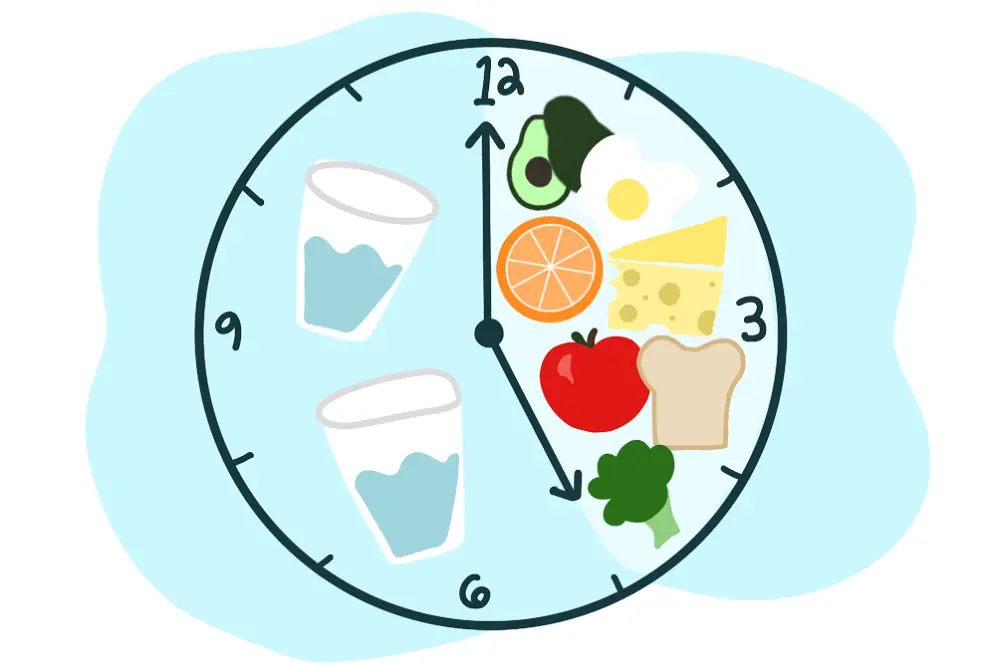
🍽️ First Things First: What is Intermittent Fasting?
When people hear the word fasting, they often imagine eating fruits, chips, wafers, or so-called farali items. But here’s the truth—that’s not fasting at all.
👉 Intermittent fasting (IF) is not about what you eat but when you eat.
It’s a structured eating pattern that alternates between periods of eating and fasting.
Popular Methods of Intermittent Fasting
- 16:8 Method → Fast for 16 hours, eat during an 8-hour window.
- 5:2 Method → Eat normally for 5 days, restrict calories for 2 days.
- 24-hour Fasts → Go without food once or twice a week.
- Alternate-Day Fasting → Switch between regular meals and low-calorie days.
🔑 Important Note: Results vary depending on age, gender, medical history, and gut health. Always personalize the approach to your needs.
🌿 How Intermittent Fasting Benefits Gut Health
Intermittent fasting has gained popularity not just for weight management, but also for its potential positive effects on the gut.
1. Gives Your Digestive System a Break
Frequent snacking keeps your gut overworked. Fasting allows it to rest, repair, and reduce inflammation—helpful for bloating and mild digestive discomfort.
2. Boosts Microbiome Diversity
Studies suggest fasting increases the variety of gut bacteria. A diverse microbiome = better immunity, reduced inflammation, and stronger digestion.
3. Improves Metabolic Health
Fasting can enhance insulin sensitivity, lower blood sugar, and reduce fat accumulation. Since metabolism and gut health are closely linked, IF indirectly supports your digestive system too.
💡 Interactive Tip: Track your energy levels, digestion, and mood during fasting weeks. Your gut will tell you if fasting is working for you!
⚠️ The Cautions to Consider
While the benefits sound exciting, intermittent fasting is not for everyone.
- May worsen acid reflux or gastritis – Empty stomach = excess acid → discomfort.
- Can affect gut motility – May cause constipation or irregular bowel habits.
- Might impact mental health – Some people binge eat or feel anxious about food.
👉 If you have GERD, IBS, or chronic gut issues, consult a doctor before starting.
✅ Who Can Benefit from Intermittent Fasting?
You may benefit from IF if:
- You’re generally healthy without severe digestive issues.
- You snack frequently or eat late at night.
- You want to regulate blood sugar & improve metabolism.
- You maintain a balanced, fibre-rich diet during eating hours.
- You wish to give your digestive system a break and boost recovery.
🥗 Key Takeaway
Intermittent fasting is more than a trend—it’s a structured lifestyle tool that can support gut health, metabolism, and overall well-being when practiced wisely. But it’s not one-size-fits-all.
✨ Listen to your body. Start slow. Seek medical guidance if you have digestive conditions.
🛒 Recommended Product
During intermittent fasting, electrolyte balance is important — especially if you exercise during fasted periods. An electrolyte supplement without sugar maintains sodium, potassium and magnesium balance during longer fasting windows without breaking the fast.
View Electrolyte Supplement on Amazon →References
- de Cabo R, Mattson MP. Effects of intermittent fasting on health, aging, and disease. N Engl J Med. 2019;381(26):2541-2551.
- Harris L, et al. Intermittent fasting interventions for treatment of overweight and obesity. JBI Database System Rev Implement Rep. 2018;16(2):507-547.
- Lowe DA, et al. Effects of time-restricted eating on weight loss. JAMA Intern Med. 2020;180(11):1491-1499.
Written by — Dharmil Pandya
Medical Writer | Founder, Healthier Tomorrow
#IntermittentFasting #GutHealth #HealthyLifestyle #MetabolismBoost #FastingForHealth #TimeRestrictedEating #HolisticHealth #WellnessJourney #HealthyHabits