
Is Too Much Protein Harmful? What Patients (and GPs) Need to Know About the High-Protein Trend
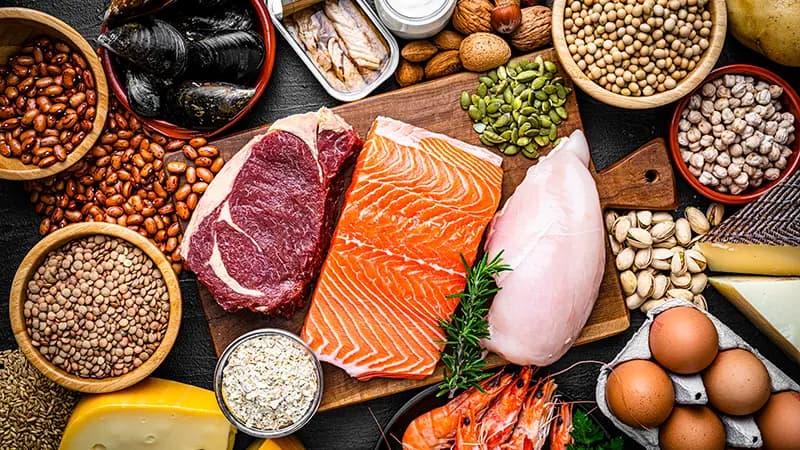
Protein is everywhere.
From fortified snack bars and high-protein pastas to cereals and even protein-infused water, supermarket shelves are saturated with protein-centric products. With aggressive marketing and fitness culture pushing the idea that “more protein equals better health,” many patients now assume that higher protein intake is always beneficial.
But is that really true?
For most people, especially those without specific medical or physiological needs, the answer is no. In fact, excessive protein intake—particularly from animal and ultra-processed sources—may carry real health risks.
This article explores how much protein we actually need, the potential downsides of overconsumption, and how general practitioners can support patients navigating the protein hype.
How Much Protein Do We Really Need?
Despite popular belief, the current surge in protein-fortified foods and high-protein diets is not strongly supported by evidence for the general population.
For healthy adults, the recommended dietary intake of protein is:
👉 0.8–1.0 grams per kilogram of body weight per day
Higher protein requirements may be appropriate for:
- Older adults at risk of sarcopenia
- Individuals with chronic illness
- Patients recovering from surgery or injury
- Those with malnutrition or highly restrictive diets
Importantly, true protein deficiency is rare in high-income settings and typically occurs only in cases of frailty, undernutrition, or severe dietary restriction.
For most patients, daily protein needs are already met through a balanced diet—without the need for fortified products or supplements.
The Risks of Overdoing Protein
While protein is essential, more is not always better. Excessive intake—especially from animal sources—has been associated with several health concerns.
Large cohort studies and meta-analyses have linked high animal protein consumption with:
- Increased risk of type 2 diabetes, cardiovascular mortality, and all-cause mortality
- Greater body weight and long-term weight gain, particularly concerning in children where high protein intake early in life is linked to later obesity
- Accelerated decline in kidney function in individuals with existing kidney disease (evidence in healthy adults remains mixed)
- Higher cancer and overall mortality risk when protein intake is dominated by red and processed meats
Animal vs Plant Protein: Quality vs Outcomes
Animal proteins are often labelled as “high quality” due to their complete amino acid profile and strong stimulation of muscle protein synthesis—important for maintaining lean mass, especially in ageing populations.
However, long-term epidemiological data consistently show that diets higher in plant proteins (such as legumes, soy, nuts, and seeds) are associated with:
- Lower cardiovascular risk
- Reduced diabetes incidence
- Lower cancer risk
- Reduced overall mortality
In contrast, diets high in animal protein—particularly red and processed meat—show the opposite trend.
The Hidden Cost: Poor Nutrient Balance
Another major concern is diet displacement.
When patients rely heavily on protein-fortified products, they often consume less fibre-rich whole foods, including:
- Fruits
- Vegetables
- Wholegrains
- Legumes
These foods have stronger evidence for preventing chronic disease than protein supplements or fortified snacks. High-protein ultra-processed foods may meet protein targets but fall short on fibre, micronutrients, and gut health support.
Red Flags of Protein Overload
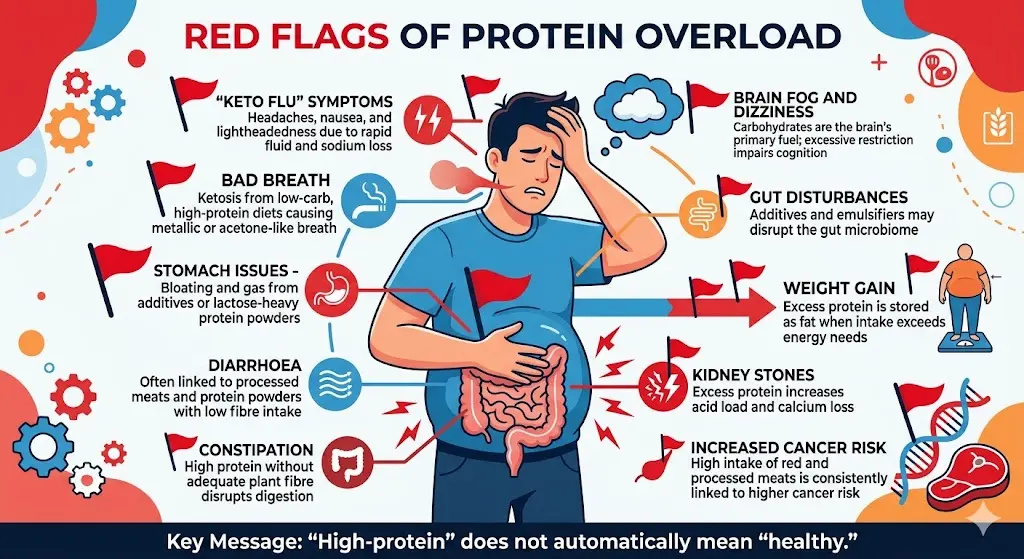
Overconsuming protein can lead to a range of unexpected—and uncomfortable—symptoms. Common red flags include:
- Stomach issues – Bloating and gas from additives or lactose-heavy protein powders
- Bad breath – Ketosis from low-carb, high-protein diets causing metallic or acetone-like breath
- “Keto flu” symptoms – Headaches, nausea, and lightheadedness due to rapid fluid and sodium loss
- Diarrhoea – Often linked to processed meats and protein powders with low fibre intake
- Constipation – High protein without adequate plant fibre disrupts digestion
- Kidney stones – Excess protein increases acid load and calcium loss
- Brain fog and dizziness – Carbohydrates are the brain’s primary fuel; excessive restriction impairs cognition
- Gut disturbances – Additives and emulsifiers may disrupt the gut microbiome
- Weight gain – Excess protein is stored as fat when intake exceeds energy needs
- Increased cancer risk – High intake of red and processed meats is consistently linked to higher cancer risk
These symptoms highlight a key message: “High-protein” does not automatically mean “healthy.”
How GPs Can Support Patients
General practitioners play a crucial role in cutting through nutrition misinformation. Practical steps include:
- Normalising evidence-based protein needs rather than fitness-industry benchmarks
- Encouraging whole-food protein sources, especially plant-based options
- Screening for unnecessary supplementation in low-risk individuals
- Reframing nutrition conversations around balance, fibre intake, and long-term health rather than single nutrients
For most patients, a varied, minimally processed diet will meet protein requirements without the risks associated with excess intake.
Key Takeaway
Protein is essential—but it’s not a magic nutrient.
In a food environment saturated with protein marketing, patients need guidance grounded in evidence, not trends. More protein does not automatically translate to better health, and in many cases, it may do more harm than good.
🛒 Recommended Product
For healthy adults with normal kidney function, adequate protein intake is more important than worrying about excess. MuscleBlaze Whey Protein provides 25g per serving with transparent labelling and FSSAI certification — a reliable option for meeting daily targets without excessive supplementation.
View MuscleBlaze Whey Protein on Amazon →References
- Antonio J, et al. A high protein diet has no harmful effects. J Nutr Metab. 2016;2016:9104792.
- Kalantar-Zadeh K, et al. Dietary restrictions in dialysis patients. J Ren Nutr. 2017;27(6):383-391.
- Phillips SM, et al. Dietary protein for athletes. J Sports Sci. 2011;29 Suppl 1:S29-38.
Written by — Dharmil Pandya
Medical Writer | Founder, Healthier Tomorrow
#ProteinMyths #HighProteinDiet #NutritionScience #EvidenceBasedNutrition #PlantBasedProtein #GPNutrition #UltraProcessedFoods #DietAndHealth #PreventiveHealthcare