
Breaking the Silence: Understanding and Talking About Mental Health in Indian Homes
Introduction: Why Mental Health Matters More Than Ever
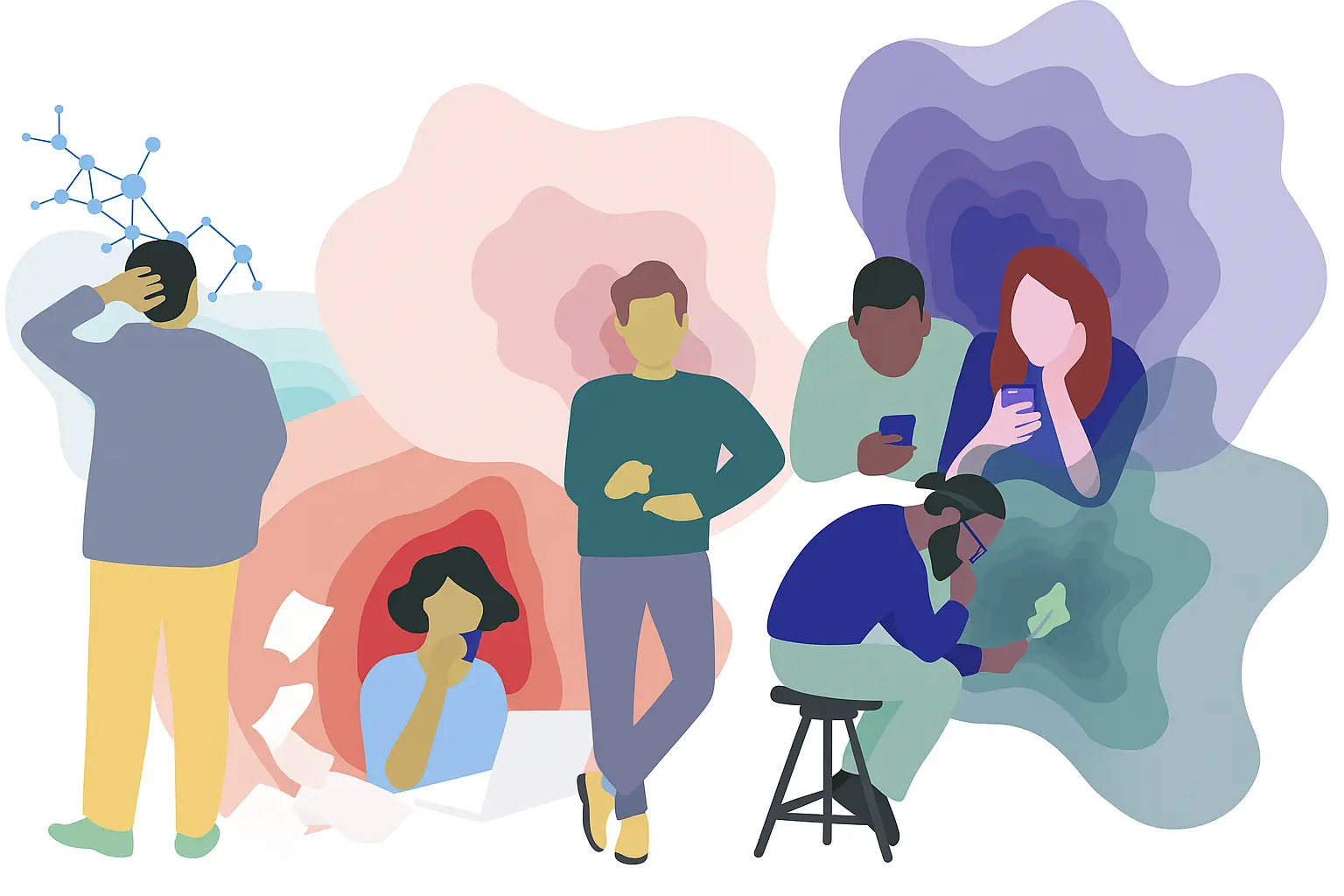
In today's fast-paced world, especially in India, mental health is finally getting some of the attention it deserves — but not nearly enough. Behind every smile, there could be silent battles with anxiety, depression, stress, or burnout. And yet, most of us continue to brush it aside, acting like mental health is a secondary concern. But let’s be clear: mental health is just as important as physical health, and ignoring it can have long-term consequences for individuals and families alike.
What Is Mental Health? A Simple Understanding
Mental health is our emotional, psychological, and social well-being. It influences how we think, feel, act, handle stress, relate to others, and make everyday decisions. Good mental health isn’t about being happy all the time—it’s about being able to cope, ask for help, and express ourselves without fear or shame.
Despite growing awareness, many people in India still view mental illness through the lens of stigma and misinformation. As a result, millions continue to suffer in silence.
The Silent Script: Why We Struggle to Talk About It
From a young age, Indian children are taught to respect elders, follow rules, and work hard—but not how to name emotions or talk about fear, sadness, or mental exhaustion. This leads to a family culture where:
- Teenagers hide their overwhelm.
- Parents ignore their anxiety, calling it “just tiredness.”
- Grandparents show signs of depression, but it’s brushed off as “just ageing.”
Over time, this silence becomes a family norm, and no one speaks their truth. It’s time to break this pattern.
The Pressure to Be Perfect: India's Never-Ending Race
Life in India can feel like an endless race—from competing in school exams to securing a job, getting married, or achieving social media perfection. Social media adds fuel to the fire, making it seem like everyone is winning at life while you’re struggling to keep up. The fear of being left behind, judged, or not good enough takes a serious toll on our mental health.
This constant pressure doesn’t just impact adults — it affects children, students, and even the elderly.
Families and the Stigma of Mental Health
In many Indian homes, mental health is still a taboo topic. When someone expresses stress or sadness, the typical responses are:
- 🗣 “It’s all in your head.”
- 🗣 “Just toughen up.”
- 🗣 “What will people say?”
These reactions silence the person and intensify the isolation. Instead of providing support, families often dismiss or ridicule the issue, unknowingly making it worse.
How to Start Talking About Mental Health in Indian Homes
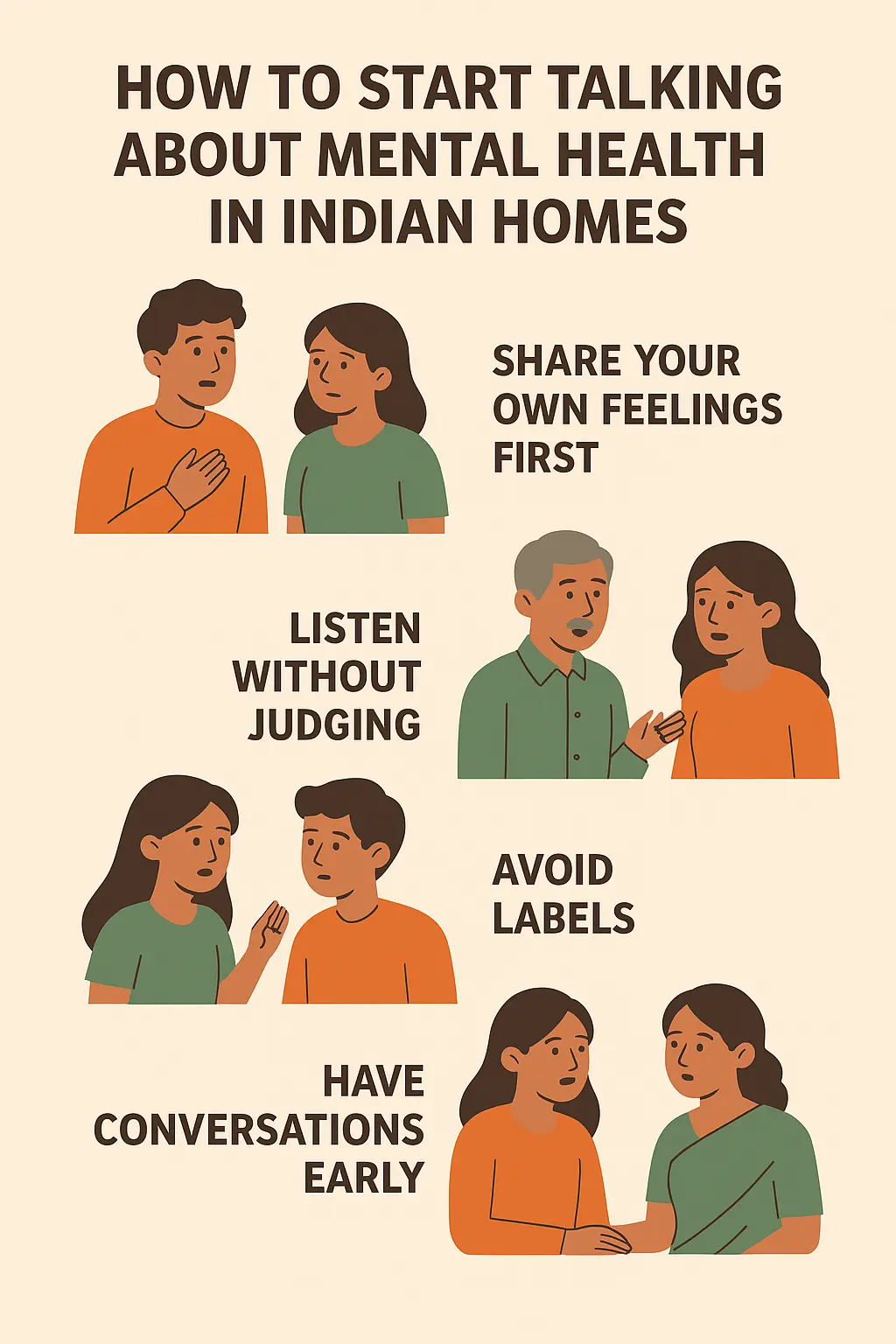
Breaking the silence doesn’t require confrontation. It starts with gentle, empathetic conversation. Here are some practical tips:
- Share Your Own Feelings First
Try: “I’ve been feeling anxious lately. Have you ever felt that way too?” - Listen Without Judging
Say: “I may not fully understand, but I’m here for you.” - Avoid Labels
Instead of “You’re overreacting,” say: “I can see this is upsetting you.” - Have Conversations Early
Small, regular talks prevent crises later. - Normalize Therapy
Going to therapy should be seen as an act of strength, not weakness. - Choose the Right Moment
Avoid stressful situations. Pick a quiet, relaxed time to talk. - Show Empathy to Parents
Respect their beliefs. Try saying: “I understand your concerns, but I need your support as I explore what helps me feel better.”
The Way Forward: Build a Mentally Healthier Family Culture
The change starts at home. When we start talking openly about mental health, we:
- Encourage emotional literacy among children and teens.
- Support family members who are silently struggling.
- Break the cycle of shame and secrecy.
- Promote a culture of empathy and care.
You don’t have to be a therapist to make a difference—just being present, compassionate, and open can be enough.
Conclusion: Let’s Make Mental Health Normal to Talk About
Mental health struggles are real, and they’re affecting more people than ever before. It's time we stop pretending otherwise. Start the conversation. Listen. Support. Let’s make it okay to not be okay—and even more okay to ask for help.
Frequently Asked Questions (FAQs)
Q1. Why is mental health still a taboo in India?
Because of societal stigma, lack of awareness, and cultural expectations that equate emotional vulnerability with weakness.
Q2. How can I convince my parents to support my mental health journey?
Start with gentle conversations, choose a good time, show empathy, and explain how support can make a difference.
Q3. Is therapy only for serious mental illnesses?
No. Therapy is for anyone who wants to understand themselves better, manage stress, or improve emotional well-being.
Q4. How can I support a friend or family member struggling with their mental health?
Listen without judgment, avoid giving advice unless asked, and encourage them to seek professional help.
🛒 Recommended Product
A guided meditation and mindfulness journal is one of the most accessible mental health tools for Indian homes — requiring no professional access, no prescription and no stigma. Daily journaling combined with breath awareness practices has measurable effects on anxiety and stress in clinical studies.
View Mindfulness Journal on Amazon →References
- Gururaj G, et al. National Mental Health Survey of India 2015-16. Bengaluru: NIMHANS; 2016.
- Patel V, et al. The burden of mental disorders across the states of India. Lancet Psychiatry. 2016;3(12):1117-1124.
- Math SB, et al. Mental health policy in India. Indian J Psychiatry. 2019;61(Suppl 4):S790-S814.
Written by — Dharmil Pandya
Medical Writer | Founder, Healthier Tomorrow
#MentalHealthAwareness #TalkAboutItIndia #BreakTheStigma #EmotionalWellbeing #TherapyIsNormal #IndianFamiliesAndMentalHealth #MentalHealthMatters #MentalHealthIndia #EndTheSilence #MentalWellnessJourney