
These Everyday Micro-Habits Are Quietly Pushing You Toward Chronic Disease (Most People Ignore Them)
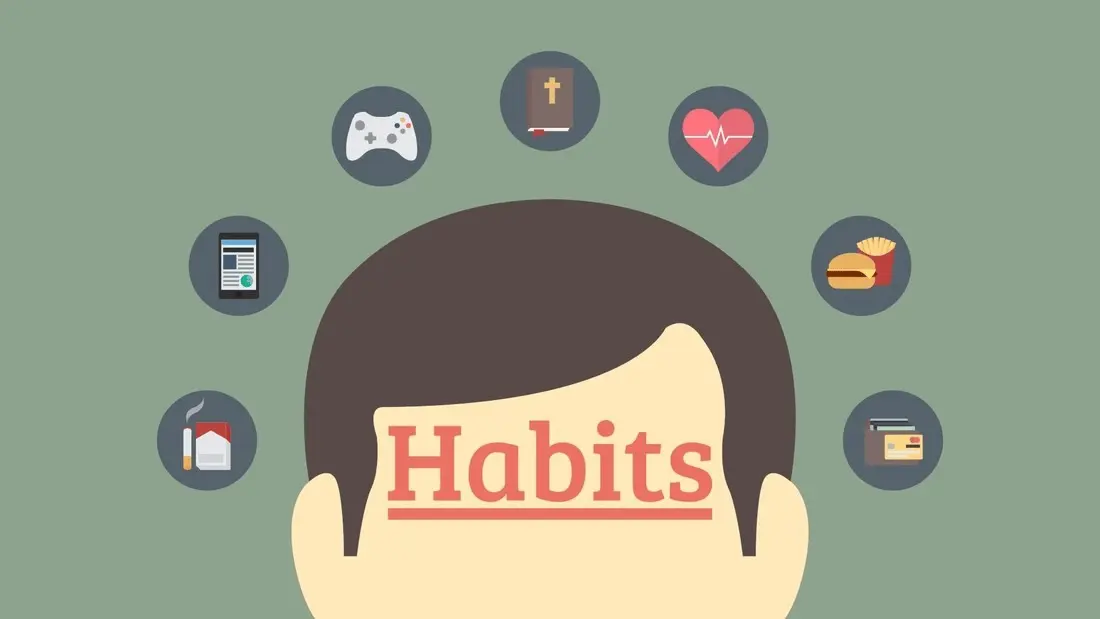
🩺 How Daily Micro-Habits Slowly Lead to Chronic Disease
Most people believe health is damaged by big mistakes—junk food binges, missed workouts, or occasional stress. In reality, chronic disease develops quietly through small daily habits repeated over years.
These micro-habits affect:
- Metabolism
- Immunity
- Hormonal balance
- Mental health
- Long-term disease risk
They often go unnoticed because:
- Symptoms develop slowly
- Habits feel “normal”
- Consequences appear years later
👉 Early correction prevents irreversible damage.
1. Skipping or Compromising Sleep
Sleep is not optional—it is biological repair time. Quality sleep regulates immunity, hormones, blood sugar, and mood. According to the World Health Organization, chronic sleep deprivation increases the risk of diabetes, obesity, heart disease, and depression.
Common daily mistakes:
- Sleeping less than 6 hours
- Irregular sleep timings
- Excessive screen exposure before bed
🛑 Poor sleep today becomes chronic illness tomorrow.
2. Prolonged Sitting and Physical Inactivity
Modern life encourages long hours of sitting. This contributes to weight gain, poor circulation, insulin resistance, and back and joint pain. The Indian Council of Medical Research identifies sedentary behaviour as a major driver of non-communicable diseases in India.
3. Poor Hydration Habits
Many people drink water only when they feel thirsty—often too late. Chronic dehydration affects kidney health, digestion, concentration, and energy levels.
Daily hydration mistakes:
- Replacing water with tea, coffee, or soft drinks
- Forgetting fluids during busy workdays
💡 Hydration is a daily medicine most people forget to take.
4. Excessive Processed and Refined Foods
Convenience foods dominate modern diets but are high in sugar, salt, unhealthy fats, and low in fibre. The National Family Health Survey links rising ultra-processed food consumption to obesity and metabolic disorders.
5. Skipping Meals or Eating Irregularly
Skipping breakfast or eating at random times disrupts metabolism, causing blood sugar fluctuations, overeating later, and reduced focus.
⏰ Your metabolism thrives on consistency, not chaos.
6. Ignoring Stress and Mental Health
Chronic stress is toxic. The World Health Organization identifies unmanaged stress as a key risk factor for both physical and mental illness.
Daily stress mistakes:
- No stress-management routine
- Constant mental stimulation
- Zero downtime
7. Overreliance on Supplements Instead of Food
Supplements are helpful, but they cannot replace the nutrient synergy of real food. Overuse can cause imbalances. WHO and Lancet studies consistently support a food-first nutrition approach.
8. Poor Posture and Ergonomic Neglect
Long screen hours silently damage the musculoskeletal system, leading to neck and back pain, headaches, eye strain, and chronic musculoskeletal disorders.
🪑 Poor posture today becomes chronic pain later.
9. Ignoring Preventive Health Checkups
Many diseases stay silent in early stages. Delayed diagnosis increases complications and treatment costs. NITI Aayog promotes preventive screenings to reduce India’s disease burden.
10. Excessive Screen Time Without Breaks
Digital overuse affects both body and brain, causing digital eye strain, sleep disruption, reduced movement, and mental fatigue.
📱 Small screen breaks prevent long-term damage.
Why These Micro-Habits Are So Common
These habits persist because they fit modern lifestyles, consequences are delayed, health education is limited, and work pressure dominates priorities. Awareness is the first step toward prevention.
How Daily Micro-Habits Lead to Chronic Disease
Over time, these habits contribute to diabetes, hypertension, heart disease, obesity, anxiety, and depression. ICMR data shows that most chronic diseases can be prevented or delayed through lifestyle correction.
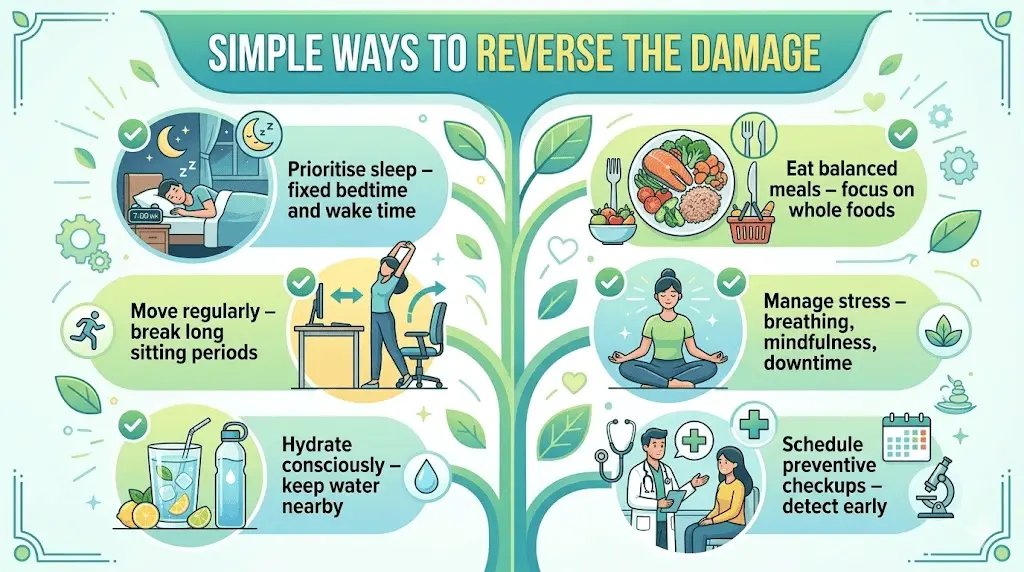
Simple Ways to Reverse the Damage
- ✔ Prioritise sleep – fixed bedtime and wake time
- ✔ Move regularly – break long sitting periods
- ✔ Hydrate consciously – keep water nearby
- ✔ Eat balanced meals – focus on whole foods
- ✔ Manage stress – breathing, mindfulness, downtime
- ✔ Schedule preventive checkups – detect early
Role of Preventive Healthcare
Preventive healthcare focuses on early risk identification, habit correction before disease, and reducing long-term healthcare costs. Both NITI Aayog and WHO recognise prevention as the most cost-effective health strategy.
Long-Term Benefits of Correcting Daily Habits
Consistent micro-changes lead to better energy, stronger immunity, stable mental health, reduced disease risk, and improved quality of life.
✨ Small habits, repeated daily, create powerful long-term health outcomes.
Final Thoughts
Chronic disease doesn’t start suddenly—it begins silently with daily micro-habits. The good news? You can change the direction at any time. Start today. Pick one habit. Practice it consistently. Progress—not perfection—is what transforms health.
Frequently Asked Questions (FAQs)
Q1. Which daily habit is most harmful?
Poor sleep and prolonged sitting have the widest impact on physical and mental health.
Q2. How long does habit change take?
Research suggests 21–66 days, depending on consistency.
Q3. Can small changes really prevent disease?
Yes. Small daily actions compound into major long-term benefits.
Q4. How do I stay consistent?
Start with one habit, track progress, set reminders, and reward milestones.
Q5. Should I seek professional help?
If habits feel uncontrollable or affect daily life, professional guidance is recommended.
🛒 Recommended Product
The micro habit with the highest chronic disease prevention impact is daily step counting. A fitness band makes this automatic — no conscious effort, just real data showing whether you actually hit your daily movement targets or not.
View Fitness Band on Amazon →References
- Lally P, et al. How are habits formed: modelling habit formation in the real world. Eur J Soc Psychol. 2010;40(6):998-1009.
- Lorig KR, Holman H. Self-management education: history, definition, outcomes, and mechanisms. Ann Behav Med. 2003;26(1):1-7.
- Ory MG, et al. Self-management at the tipping point: reaching 100,000 Americans with evidence-based programs. Am J Prev Med. 2013;44(1):101-102.
Written by — Dharmil Pandya
Medical Writer | Founder, Healthier Tomorrow
#MicroHabits #ChronicDiseasePrevention #LifestyleDiseases #PreventiveHealthcare #HealthyHabits #SleepHealth #SedentaryLifestyle #MentalHealthAwareness #WellnessJourney #DailyHealth #DiseasePrevention #PublicHealth #India