
PCOS Explained: Symptoms, Causes, Diagnosis & Effective Treatment Options
Polycystic Ovary Syndrome (PCOS) is surrounded by myths and misconceptions. If you're confused about what PCOS really is and how to treat it, you're not alone. In this blog, we'll break down everything you need to know about PCOS — from symptoms and causes to diagnosis and effective treatments — so you can take control of your health.
What is PCOS?
Polycystic Ovary Syndrome (PCOS) is a common hormonal disorder affecting women of reproductive age. It occurs when the ovaries produce excess male hormones called androgens, leading to hormonal imbalance. This imbalance disrupts the menstrual cycle, ovulation, and fertility. Despite its name, not all women with PCOS have cysts on their ovaries.
Key Facts About PCOS:
- PCOS affects up to 1 in 10 women worldwide.
- It’s a leading cause of female infertility.
- It increases the risk of diabetes, heart disease, and endometrial cancer.
Common Symptoms of PCOS
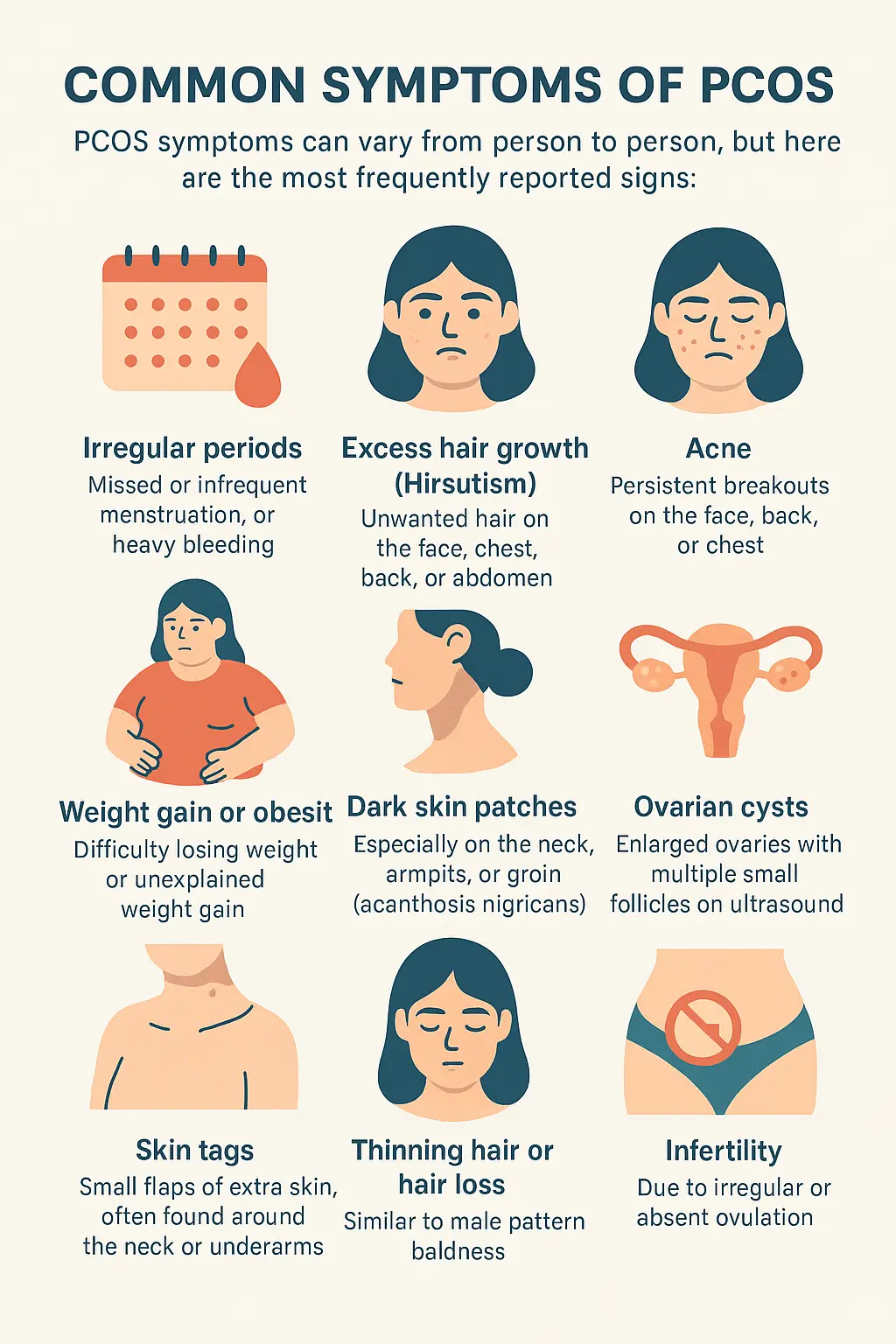
PCOS symptoms can vary from person to person, but here are the most frequently reported signs:
What Causes PCOS?
The exact cause of PCOS is still unknown, but several factors are believed to contribute:
1. Excess Androgens
High levels of androgens interfere with ovulation and cause many visible symptoms like acne and facial hair.
2. Insulin Resistance
When the body becomes resistant to insulin, it produces more, which can lead to increased androgen production and weight gain. Insulin resistance is also a major risk factor for type 2 diabetes.
3. Genetics
PCOS tends to run in families, suggesting a genetic component.
4. Chronic Inflammation
Low-grade inflammation in women with PCOS can stimulate androgen production, worsening symptoms.
How PCOS Affects Your Body
Living with PCOS impacts more than just your reproductive system:
Infertility
Irregular ovulation makes it harder to conceive.
Metabolic Syndrome
A cluster of conditions including:
- High blood pressure
- High blood sugar
- High LDL (“bad”) cholesterol
- Low HDL (“good”) cholesterol
Together, these increase the risk of heart disease, stroke, and diabetes.
Sleep Apnoea
Obesity combined with PCOS can increase the risk of sleep apnoea by up to 10 times.
Endometrial Cancer
Without regular ovulation, the uterine lining may not shed properly, increasing cancer risk.
Mental Health Issues
Hormonal imbalances and visible symptoms can lead to depression, anxiety, and low self-esteem.
How is PCOS Diagnosed?
PCOS is diagnosed based on a combination of symptoms, tests, and physical exams:
- Medical history: Irregular periods, weight changes, and family history.
- Physical exam: Looking for acne, hair growth, or dark patches.
- Blood tests: To measure hormone and insulin levels.
- Pelvic ultrasound: To detect ovarian cysts and measure the uterine lining.
Treatment Options for PCOS
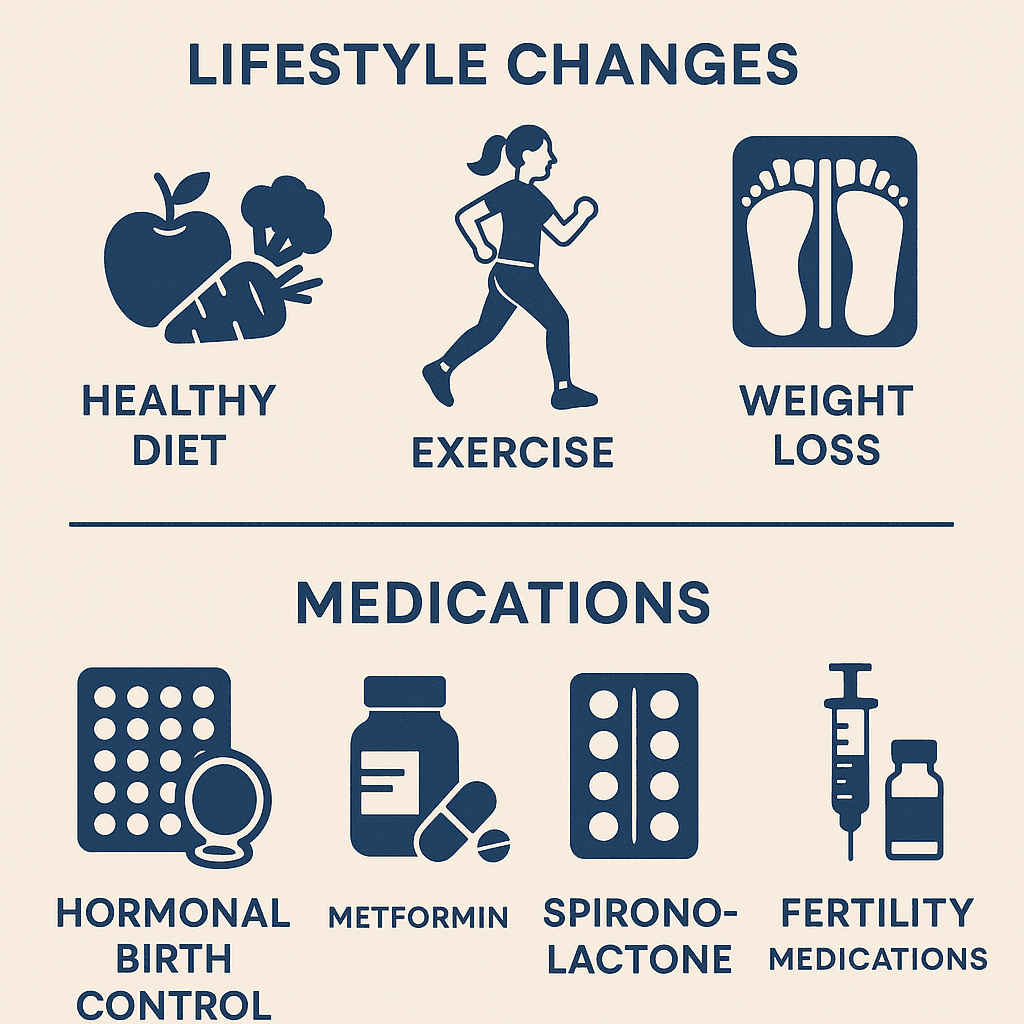
While there's no cure for PCOS, it can be effectively managed through lifestyle changes and medication.
Lifestyle Changes
- Healthy diet: Focus on whole foods, fiber-rich vegetables, lean protein, and limit processed sugar.
- Exercise: At least 30 minutes of moderate activity most days.
- Weight loss: Even a 5–10% reduction in body weight can improve symptoms and restore regular periods.
Medications
- Hormonal birth control: Pills, patches, or rings to regulate periods and reduce androgen levels.
- Metformin: Helps manage insulin resistance and lower androgen levels.
- Spironolactone: Reduces unwanted hair growth and treats acne.
- Fertility medications: Such as Clomiphene or Letrozole, for women trying to conceive.
Final Thoughts: Managing PCOS is Possible
PCOS may be a lifelong condition, but it doesn’t have to control your life. With early diagnosis, the right treatment plan, and healthy lifestyle habits, you can reduce symptoms, improve fertility, and lower your risk of long-term health complications.
Frequently Asked Questions (FAQs)
1. Can PCOS be cured permanently?
No, but symptoms can be managed effectively through lifestyle changes and medication.
2. Does every woman with PCOS have cysts on her ovaries?
No. The name is misleading — not all women with PCOS have ovarian cysts.
3. Can I get pregnant with PCOS?
Yes, many women with PCOS conceive naturally or with fertility treatment.
4. Is PCOS only about reproductive health?
No. PCOS also affects metabolism, heart health, skin, and mental well-being.
Still Have Questions?
Feel free to ask your questions in the chat box below. Clear your doubts — because nothing is more precious than your healthy life. Your message will remain private and won’t be visible to others.
We're here to help you on your journey to better health and confidence. 💚
🛒 Recommended Product
Inositol — specifically the combination of myo-inositol and D-chiro-inositol — is the most evidence-based nutritional supplement for PCOS management, with multiple randomised trials showing improvements in insulin sensitivity, menstrual regularity and androgen levels. Look for a 40:1 ratio of myo to D-chiro inositol.
View Inositol Supplement on Amazon →References
- Teede HJ, et al. Recommendations from the 2018 international evidence-based guideline for the assessment and management of polycystic ovary syndrome. Hum Reprod. 2018;33(9):1602-1618.
- Dumesic DA, et al. Scientific statement on the diagnostic criteria, epidemiology, pathophysiology, and molecular genetics of PCOS. Endocr Rev. 2015;36(5):487-525.
- Nidhi R, et al. Prevalence of polycystic ovarian syndrome in Indian adolescents. J Pediatr Adolesc Gynecol. 2011;24(4):223-227.
Written by — Dharmil Pandya
Medical Writer | Founder, Healthier Tomorrow
#PCOS #PCOSSymptoms #PCOSCauses #PCOSTreatment #PCOSAndInfertility #HormonalImbalance #WomensHealth #PCOSDiet #IrregularPeriods #FemaleInfertility