
🌱 Understanding Fertility: Why It’s More Than Just “Getting Pregnant"
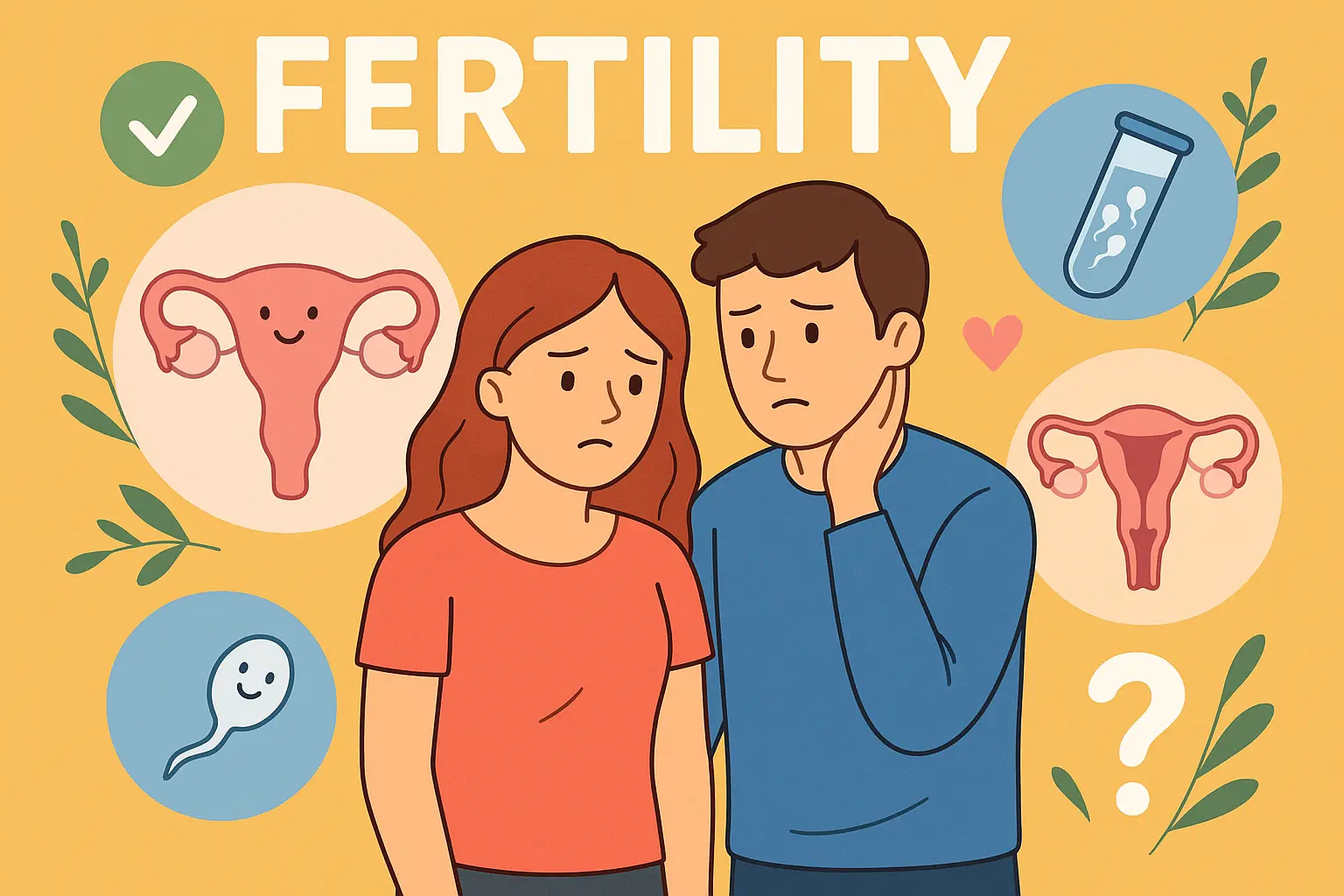
Have you ever wondered why some couples conceive effortlessly while others struggle for years despite doing “everything right”? Fertility is one of those quiet mysteries of life — invisible, deeply personal, and often misunderstood. Whether you’re planning for a baby now or in the future, understanding how fertility works can help you take control of your reproductive health.
💡 What Exactly Is Fertility?
Fertility is your body’s natural ability to conceive a child. In women, it depends on hormones, egg quality, and regular ovulation. In men, it’s largely about sperm health, count, and motility — how efficiently the sperm can reach and fertilize an egg.
But when conception doesn’t happen after one year of regular, unprotected intercourse, doctors call it infertility. It might sound scary, but here’s the truth — infertility is far more common and more treatable than most people realize.
⚖️ What Affects Fertility? — Everyday Habits You Might Be Overlooking
Your fertility isn’t just about biology — it’s a reflection of your overall health and lifestyle. Let’s explore some daily habits that could be silently interfering with your chances of conceiving.
1. 🏃♀️ Over-Exercising
Yes, exercise is great for your health. But too much of it can backfire. Excessive workouts lower progesterone levels and may stop ovulation altogether — especially in women with low body fat.
💬 Pro Tip: Moderate exercise like brisk walking, swimming, or yoga supports fertility better than overtraining.
2. 🚬 Smoking
We all know smoking harms the lungs — but did you know it can also age your ovaries and damage sperm DNA? Smoking reduces egg quality in women and lowers sperm count in men. It’s one of the biggest fertility killers.
💬 Think of quitting smoking as the first gift you give your future baby.
3. 🍷 Too Much Alcohol
A drink or two occasionally may be fine, but frequent drinking can disrupt hormonal balance and reduce fertility for both partners. If pregnancy is your goal, cutting back or quitting entirely can significantly improve your odds.
4. ☠️ Exposure to Toxins
From plastics and pesticides to everyday beauty products — toxins are everywhere. They can affect hormone production and sperm health.
💬 Switch to glass containers, eat organic when possible, and choose toxin-free personal care products.
🥗 Simple, Science-Backed Ways to Boost Fertility Naturally
The good news? There’s a lot you can do to support your fertility naturally.
- ✅ Eat mindfully: Choose whole foods, fresh fruits, healthy fats, and protein-rich meals.
- ✅ Maintain a healthy weight: Both underweight and obesity can affect ovulation and sperm quality.
- ✅ Limit caffeine: Too much caffeine can make conception harder.
- ✅ Manage stress: Chronic stress throws hormones off balance. Try meditation, deep breathing, or simply more sleep.
Remember — fertility reflects your whole-body wellness. Nurturing your health nurtures your ability to create life.
🕒 When Should You Seek Help for Infertility?
Here’s a simple guideline:
- 👩🦰 Under 35: Try for one year before seeking medical help.
- 👩🦳 35 or older: See a fertility specialist if you’ve been trying for six months without success.
That said, everyone’s journey is unique. If you feel something isn’t right — irregular periods, low sperm count, or just intuition — don’t wait. Early diagnosis can make a world of difference.
💔 Understanding Infertility — It’s Not Just a “Woman’s Problem”
Infertility can affect anyone — and in almost equal measure:
- 33% cases involve women
- 33% involve men
- 33% involve both partners or unexplained causes
Around 48 million couples worldwide experience infertility, yet many eventually succeed in becoming parents through modern treatments and lifestyle changes.
🔍 What Causes Infertility?
Let’s break it down:
👩 In Women
Common causes include:
- Ovulation disorders (like PCOS or thyroid issues)
- Endometriosis
- Blocked fallopian tubes
- Uterine fibroids or structural issues
- Hormonal imbalances or poor egg quality
👨 In Men
Typical reasons are:
- Low sperm count or motility
- Varicocele (enlarged veins in the scrotum)
- Genetic or hormonal disorders
- Exposure to high heat or toxins
- Substance abuse or anabolic steroids
🧬 Diagnosis: How Doctors Find the Root Cause
Modern fertility testing is more advanced than ever. Depending on your symptoms, your doctor might recommend:
For women:
🩸 Hormone tests, pelvic exams, ultrasound, HSG (to check fallopian tubes), or laparoscopy.
For men:
💧 Semen analysis, hormone testing, or scrotal ultrasound.
These tests help identify what’s going wrong — and more importantly, how to fix it.
💊 Treatment Options — Hope Through Science
Thanks to medical advancements, 9 out of 10 couples conceive successfully after treatment. Here are the most common approaches:
🌿 For Women
- Lifestyle changes (quit smoking, manage weight, reduce stress)
- Fertility medications to stimulate ovulation
- Surgery to remove fibroids, polyps, or open blocked tubes
💪 For Men
- Hormone therapy to boost testosterone or sperm production
- Surgery to correct blockages or varicocele
🧫 Assisted Reproductive Technology (ART)
If needed, your doctor may suggest:
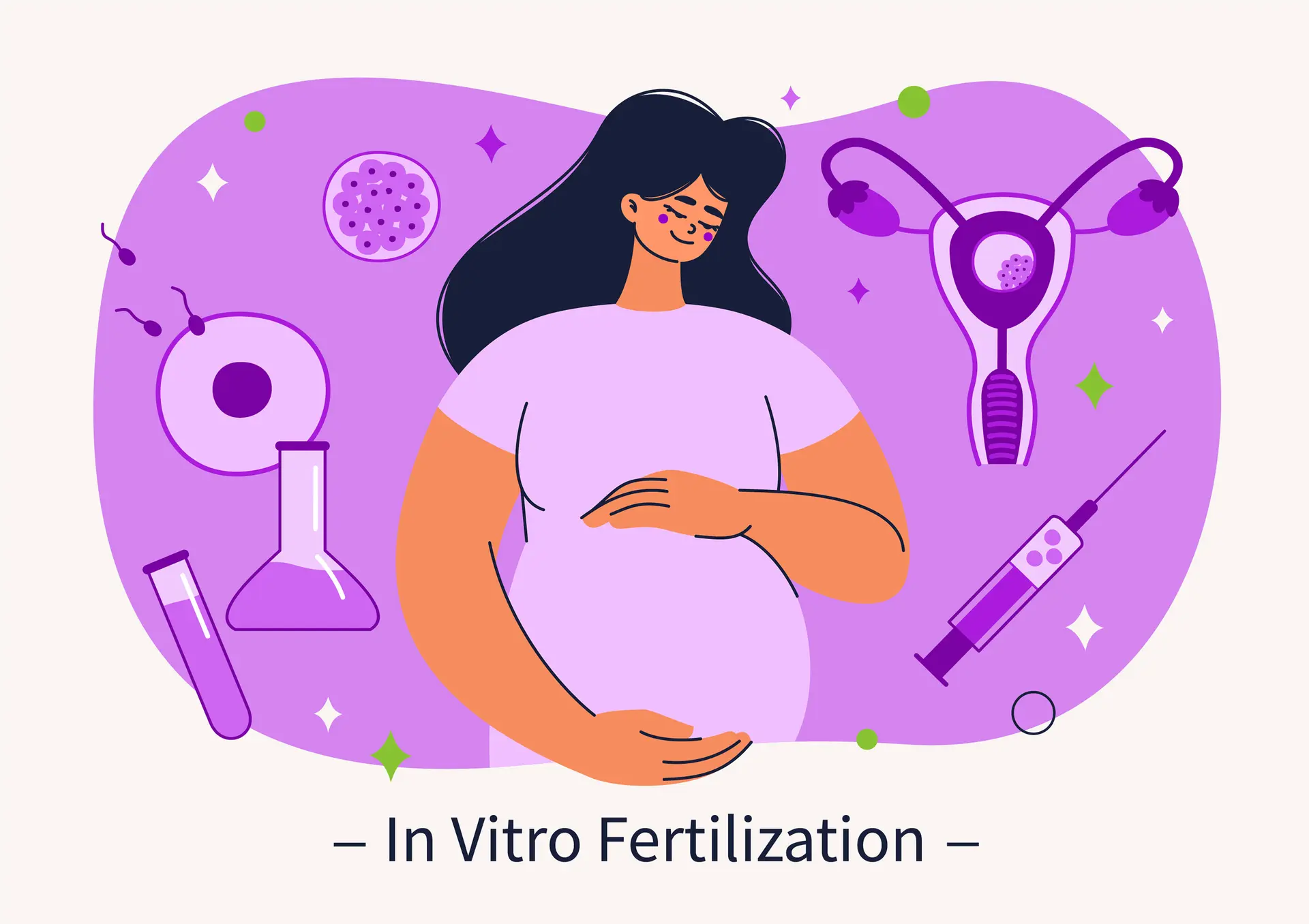
- IVF (In Vitro Fertilization) – fertilizing eggs in a lab and transferring embryos
- ICSI (Intracytoplasmic Sperm Injection) – injecting sperm directly into an egg
- IUI (Intrauterine Insemination) – placing sperm directly into the uterus
These methods have helped millions build their families.
💗 The Emotional Side of Infertility
Fertility struggles can feel isolating — but you’re not alone. The journey can be physically and emotionally demanding, so it’s vital to care for your mental health too. Lean on your partner, talk to friends, or join support groups. Healing happens when you stop blaming yourself and start seeking support.
🌼 Can Infertility Be Prevented?
While not every case is preventable, these habits can protect your reproductive health:
- Eat a balanced diet and maintain a healthy weight.
- Avoid smoking, alcohol, and recreational drugs.
- Treat STIs promptly.
- Limit exposure to environmental toxins.
- Stay physically active, but don’t overdo it.
- Consider egg or sperm freezing if you plan to delay parenthood.
🌈 Final Thoughts
Fertility isn’t just about conception — it’s about understanding and nurturing your body. If you’ve been struggling, remember: there’s no shame and no timeline in this journey. With medical help, lifestyle shifts, and emotional support, the dream of parenthood can absolutely become your reality.
🛒 Recommended Product
Folate supplementation is the most evidence-based preconception nutritional intervention — reducing neural tube defect risk when started at least 3 months before conception. Choose methylfolate over synthetic folic acid for significantly better bioavailability, particularly for women with MTHFR variants.
View Methylfolate Supplement on Amazon →References
- Practice Committee of ASRM. Diagnostic evaluation of the infertile female. Fertil Steril. 2015;103(6):e44-50.
- Vander Borght M, Wyns C. Fertility and infertility: definition and epidemiology. Clin Biochem. 2018;62:2-10.
- Datta J, et al. Prevalence of infertility and help seeking among 15000 women. Hum Reprod. 2016;31(9):2108-2118.
Written by — Dharmil Pandya
Medical Writer | Founder, Healthier Tomorrow
#Fertility #Infertility #Conceiving #WomensHealth #MensHealth #ReproductiveHealth #PCOS #IVF #FertilityTreatment #NaturalFertility #FertilityJourney