
Vitamin C for Skin: Benefits, How It Works, and How to Use It Effectively
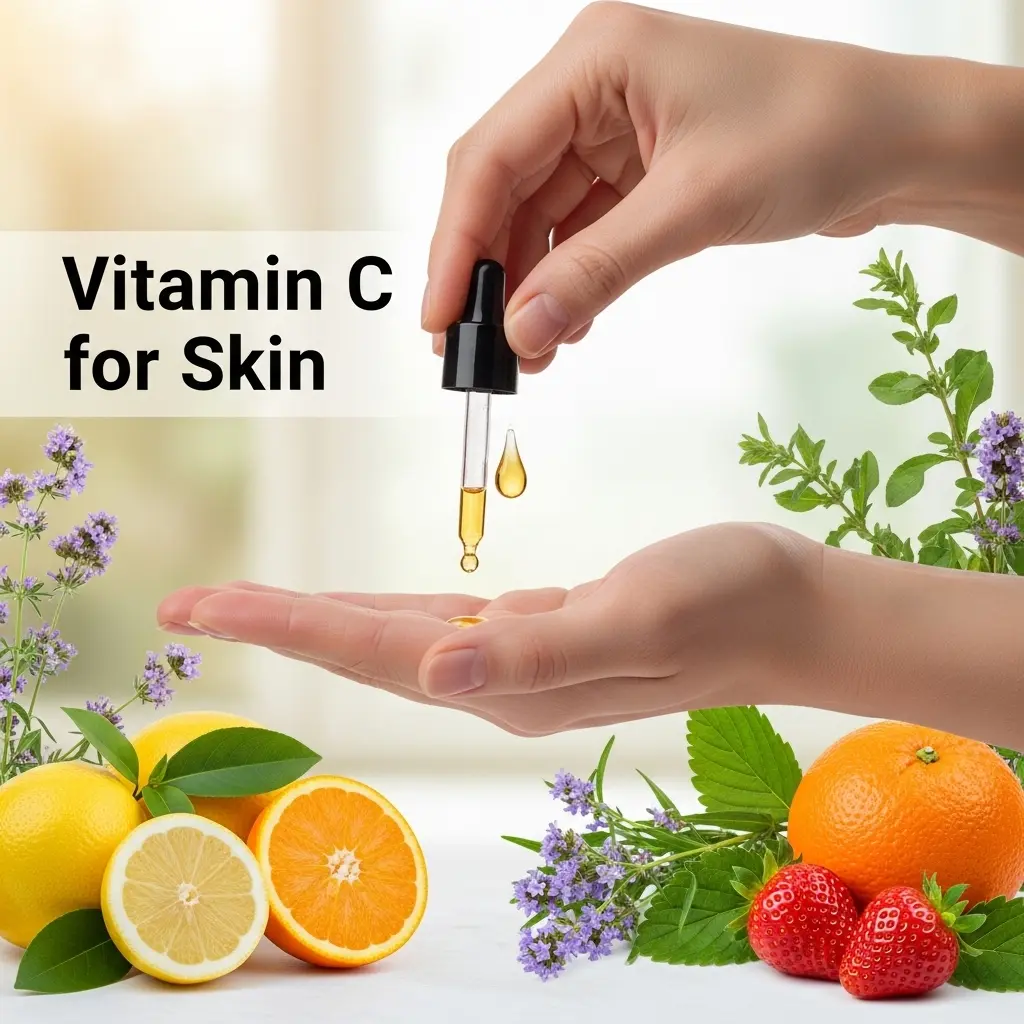
Why Vitamin C Is a Skincare Superstar
In today’s beauty-conscious world, glowing and healthy skin is a priority for many. Among the vast array of skincare ingredients, vitamin C has emerged as a powerful, science-backed solution for multiple skin concerns. Known as ascorbic acid or L-ascorbic acid, this vitamin is widely available in serums, creams, and lotions — making it easy to add to your daily skincare routine.
Let’s explore the science behind how vitamin C works and why it deserves a place in your skincare arsenal.
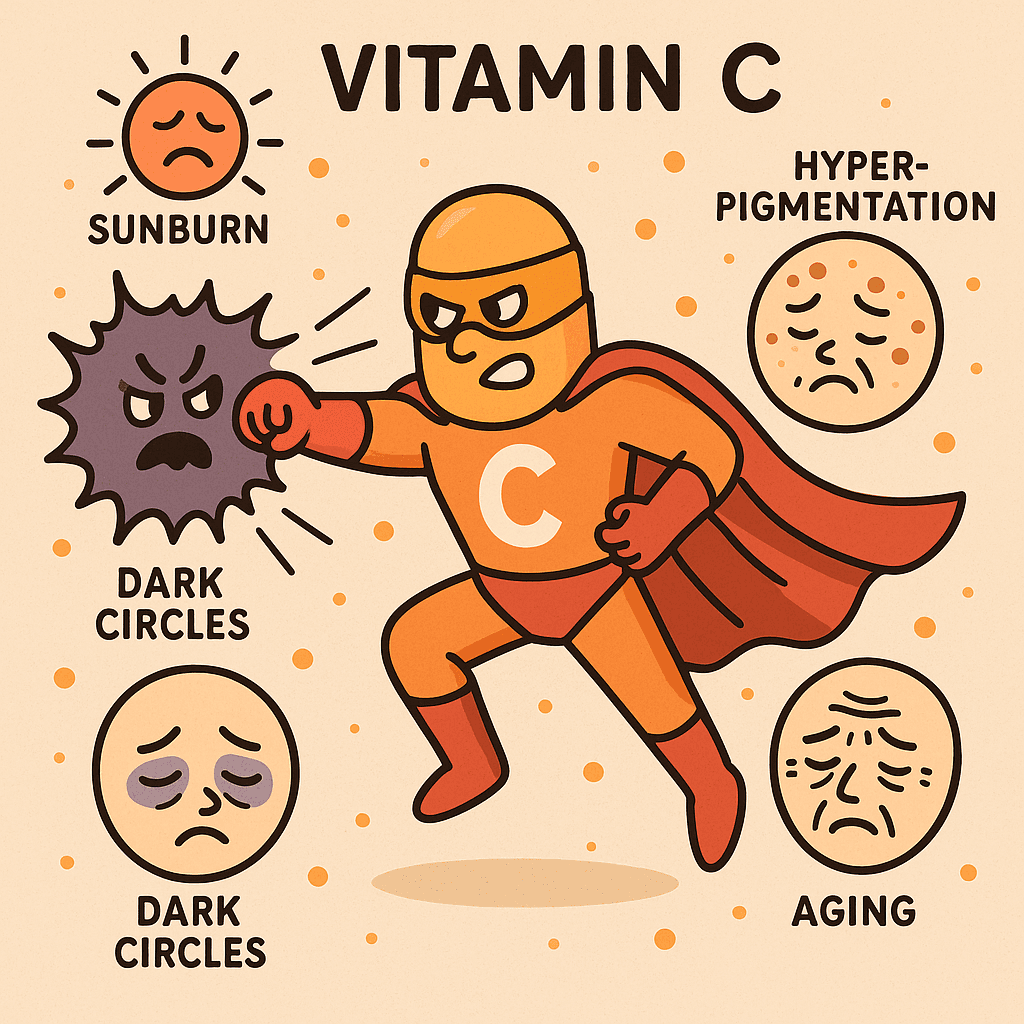
Top 7 Benefits of Vitamin C for Skin
1. Shields Skin from Environmental Damage
Our skin is constantly exposed to pollutants, UV rays, and cigarette smoke — all of which generate free radicals that lead to premature aging. Vitamin C is a potent antioxidant that neutralizes these free radicals, helping protect your skin from daily damage.
2. Fights Signs of Aging
With age, our skin naturally produces less collagen, the protein that keeps skin firm and youthful. Vitamin C supports collagen production, reducing fine lines and wrinkles, and improving skin elasticity over time.
3. Reduces Hyperpigmentation and Dark Spots
Hyperpigmentation is caused by excess melanin production. Vitamin C works by inhibiting melanin synthesis, helping to fade dark spots, acne scars, and uneven skin tone.
4. Minimizes Dark Circles
While it’s not a miracle cure, vitamin C may help reduce the appearance of dark circles by strengthening delicate under-eye skin and improving pigmentation irregularities. Opt for products specifically formulated for the under-eye area for best results.
5. Hydrates and Retains Moisture
Healthy skin naturally contains high levels of vitamin C. It supports the skin barrier, preventing water loss and maintaining optimal hydration. This leads to softer, plumper, and more radiant skin.
6. Brightens Dull Complexion
By reducing melanin formation, vitamin C helps reveal a brighter and more even skin tone. It’s a go-to ingredient for those seeking a natural glow without heavy makeup.
7. Soothes Mild Sunburn
Vitamin C, when combined with vitamin E, may reduce inflammation and skin damage caused by sunburn. However, it's not a substitute for sunscreen and offers only mild sunburn relief when used alone.
How to Choose the Right Vitamin C Serum
With so many options available, picking the right vitamin C serum can be overwhelming. Here’s what to look for:
✅ Check for Active Ingredients
Look for ascorbic acid or L-ascorbic acid on the label — these are the most effective forms of vitamin C for skin penetration and results.
✅ Stick to the Right Concentration (10%–20%)
A concentration between 10% and 20% strikes a balance between effectiveness and safety. Anything lower may not deliver visible results, and anything higher may irritate the skin, especially if it’s sensitive.
✅ Packaging Matters
Vitamin C breaks down when exposed to light, air, or heat. Choose serums packaged in dark, amber, or opaque bottles to protect the formula’s potency.
Possible Side Effects and Precautions
Vitamin C is generally safe for most skin types, but some people may experience:
- Dryness
- Redness
- Itching or irritation
- If you have sensitive skin, start with a lower concentration and apply every other day until your skin adjusts. Always do a patch test before applying to your entire face.
Final Thoughts
Vitamin C is a proven, multitasking ingredient that protects, heals, hydrates, and brightens the skin. Whether you're dealing with fine lines, dark spots, or dullness, this powerhouse antioxidant can transform your skincare routine — when used correctly.
🛒 Recommended Product
The Minimalist 10% Vitamin C serum uses ascorbyl glucoside — a stable Vitamin C derivative particularly suitable for Indian skin and humid conditions where pure L-ascorbic acid oxidises quickly. Apply in the morning before SPF for antioxidant protection and gradual brightening.
View Minimalist Vitamin C Serum on Amazon →References
- Pullar JM, et al. The roles of vitamin C in skin health. Nutrients. 2017;9(8):866.
- Telang PS. Vitamin C in dermatology. Indian Dermatol Online J. 2013;4(2):143-146.
- Pinnell SR. Cutaneous photodamage, oxidative stress, and topical antioxidant protection. J Am Acad Dermatol. 2003;48(1):1-19.
Written by — Dharmil Pandya
Medical Writer | Founder, Healthier Tomorrow
#VitaminCSerum #SkincareRoutine #GlowingSkin #AntiAging #Hyperpigmentation #SkinBrightening #NaturalSkincare #HealthySkinTips #DermatologyTips